
EU likely to eliminate MIPs for Chinese solar products
In a meeting in Brussels, the majority of EU member states have decided not to re-apply the anti-dumping and anti-subsidy measures for crystalline solar PV modules and cells. As such, the undertaking on the minimum import price (MIP) is likely to end on September 3.
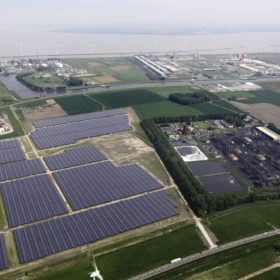
Solar prevails again in Netherlands’ SDE+ rounds
In the 2018 spring round of the program for large-scale renewable energy projects, solar secured around 1.7 GW of the 2.3 GW of total capacity allocated. Overall, 3,744 PV projects were selected, which will comprise 57% of the round’s available budget.
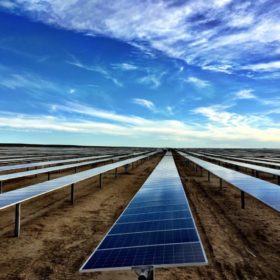
US: 86% of Texas’ future capacity will comprise solar or wind, zero coal
The Electric Reliability Council of Texas’s pipeline of projects has ballooned to almost 80 GW. 12 GW of this is gas, while the rest is wind and solar power plants, as well as 522 MW of energy storage.
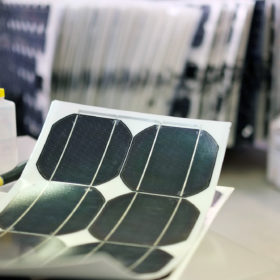
Sweden’s Midsummer receives $3.3 million CIGS equipment order, announces expansion
Turnkey PV equipment supplier, Midsummer has received a repeat order from an unidentified Asian customer for its thin film cell production equipment. On the back of strong demand, it adds that expansion is on the cards.
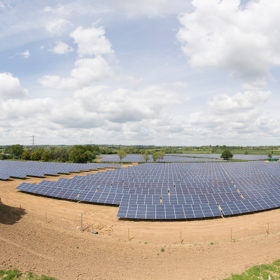
UK: Green energy tariffs average £267 cheaper than big 6
Despite many still believing green energy tariffs are more expensive, U.K.-based uSwitch finds that half of the 10 cheapest tariffs on the market are termed eco-friendly, thus challenging the big six energy suppliers.

Malta launches second tender for solar plants exceeding 1 MW in size
The call is the second of its kind, and part of the 50 MW incentive scheme the island’s government launched in November. Malta is aiming to reach 200 MW of PV capacity by 2020.
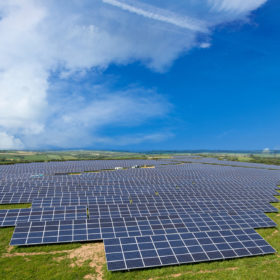
Large-scale solar sees 20% drop in new projects in H1 2018
According to Wiki-Solar, around 16 GW of new solar PV parks were brought online worldwide in the first half of this year. In the same period of 2017, newly installed utility-scale PV capacity totaled around 20 GW.

Funding the key obstacle to renewables in Asia
Banks categorize renewable energy projects as risky and believe they offer lower rates of return than fossil fuel schemes, making them reluctant lenders.
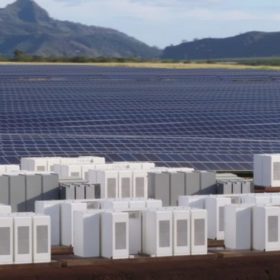
Batteries material market set to grow 9% until 2022
A report by Technavio suggests the global market for battery materials could grow 9% annually in the next four years. Analysts point to the increasing installation of storage systems with PV as a key driver. pv magazine has covered previous reports predicting significant growth in PV and storage systems.

Trony shares to be wiped from exchange on Thursday
Drawn-out business of the removal of the thin-film manufacturer’s stock from the Hong Kong exchange is almost at an end. Trading in the Shenzhen-based company’s shares has been suspended for more than six years.
