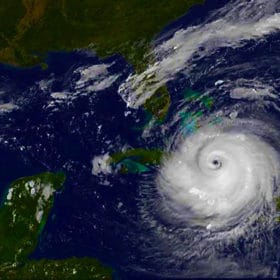
Solar-led renewable energy system could free up 10% of Caribbean nation’s GDP
A mix of solar and wind power can help Antigua and Barbuda to an almost-90% renewable energy system, and green hydrogen could then show the path to hitting the national ambition of 100% green power by 2030, and net zero by 2050.
India to levy 40% customs duties on imported solar modules from April 2022
The finance ministry has approved the proposal to levy the duty next year. Customs notification of the move will be issued at a later date.

Solar could play big role in helping renewables displace UK’s planned gas fleet
Each 1.8 GW of new gas generation capacity could be replaced by 1.7 GW of solar as part of a cleaner, 6.3 GW collection of renewables and energy storage facilities–and that alternative already comes in cheaper than the business-as-usual approach, according to the Carbon Tracker thinktank.
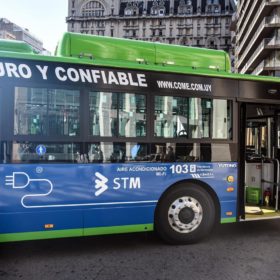
Green hydrogen projects proliferate in Chile, Mexico, Uruguay
Last week, several green hydrogen projects were announced in Latin America. AES Gener wants to set up a hydrogen production facility in Chile that would require around 850 MW of renewable energy capacity. The Uruguayan government is planning a tender for a pilot hydrogen project for sustainable mobility and the Mexican authorities are reviewing a large scale PV project planned to power a 75 MW hydrogen plant.
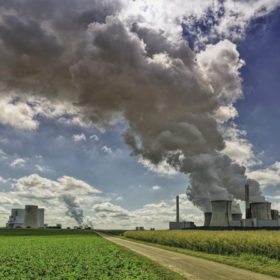
UN calls on Bangladesh to put renewables first
As it prepares to lift the nation out of its list of the world’s least developed countries, the supranational body said the country should turn its back on coal and other fossil fuels.
Solar glassmaker posts another set of bumper figures
Xinyi has accelerated plans to add more furnaces this year and predicts the rebound in solar demand being driven, in part, by the desire of nations for a green recovery from Covid-19 will continue to keep supply tight.

Nerves of steel: European Commission considers extension to import duty
Since summer 2018, a 25% charge has been levied by the EU on steel-product import volumes in excess of historical norms. European manufacturers say there is still a global steelmaking glut and the U.S. is showing no signs of lifting its restrictions.

More EU cash for green hydrogen
The sustainable gas is among ten areas of research and innovation which would benefit from backing by the bloc, member states and industry, if a new European Commission proposal is adopted.
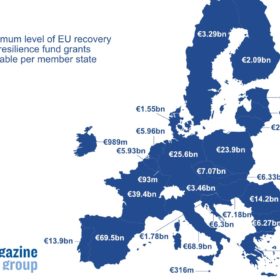
Austrian solar industry wants Covid-recovery funds spent on renewables-friendly grid
The national PV body in the country wants €1 billion from the EU’s recovery and resilience fund to be allocated to upgrading the electricity network to host more solar power generation capacity.
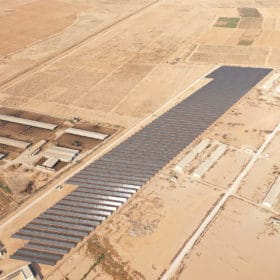
Renewables compete with coal and shale oil as Jordan pursues energy independence
The kingdom has had a ban on new large scale clean energy projects since January 2019 as Covid-19 exacerbated a situation in which generation capacity already outstripped supply. Lifting that embargo, and re-starting renewables auctions would be a step in the right direction, according to IRENA.
