Energy storage projects can apply for inclusion in Euro network plan
Electricity transmission system operators from 35 European countries have opened the call for new storage and long-distance network projects that wish to be included in their next, Europe-wide ten-year grid development plan.
Fresh call for twice-yearly renewables auctions in the UK
A report published today states the British grid needs to become more flexible at a faster pace to stay on track for a net-zero 2050 and called for time-of-use electricity tariffs and for the government to stop dragging its heels on issues such as EV charging.
The weekend read: Chile’s energy transition and the crucial election
Chile continues to lead the energy transition in Latin America, but international investors are nervous. The pandemic is subsiding, thanks to a vaccination rate close to 80%, and energy demand is showing signs of recovery. However, the political landscape still has investors on edge, reports Luisa Cabello.
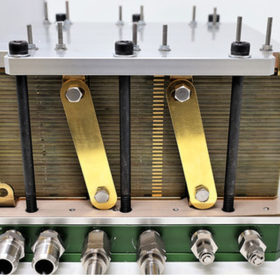
The Hydrogen Stream: New fuel cell tech for uncrewed ships, and a solar-powered hydrogen valley in southern Italy
A printed circuit board-based hydrogen fuel cell for use in autonomous boats and ships has been engineered by a British consortium, and Italian energy companies Snam and Edison want to set up a 220 MW green hydrogen production plant powered by 380 MW of solar in Apulia.
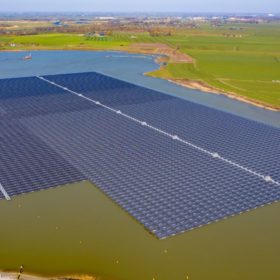
India unveils largest floating solar plant to date
A 25 MW project has been installed at the Simhadri thermal power station run by state-owned power company NTPC on the coast of Andhra Pradesh.
Solar on new-build homes has significantly shorter payback period
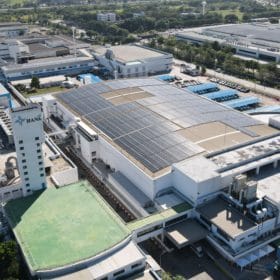
A report by BloombergNEF and Schneider Electric has pressed the case for governments to unlock the world’s potentially huge rooftop solar potential, and cited California’s solar mandate as a shining example.
EU $6m credit line for solar appliances in Africa and South East Asia
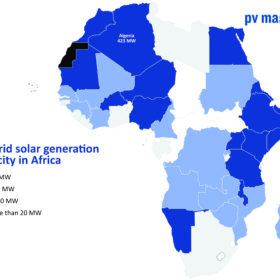
Energy access entity EDFI ElectriFi has offered the revolving credit facility to a Californian distributor which supplies affordable, pay-as-you-go-enabled devices.
Trolley car conundrum
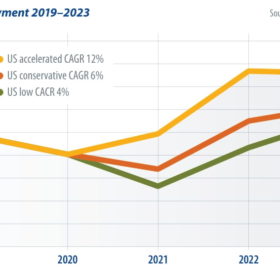
The U.S. solar industry faces a moral dilemma, writes Paula Mints of SPV Market Research. Either continue to deploy projects and set aside concerns about forced labor in China’s Xinjiang region, or source PV cells and modules from elsewhere, while bearing higher costs, in the pursuit of urgent action against climate change.

Fund hopes to raise $250m for urban climate projects in West Africa
The ARM-Harith Cities and Climate Transition Fund will feature public and private finance, according to the joint venture behind it.

EU raises another €9bn for Covid recovery
The latest, seven-year investment attracted offers worth more than €100 billion from investors and means the European Union has already generated €54 billion of the €80 billion of bond proceeds it is aiming for this year, as part of its five-year, €800 billion NextGenerationEU support package.
