
US module shipments down in January and February
While the volume of combined imports and exports slumped from almost 2 GW in December to 1.49 GW in January and 1.36 GW in February, the price per kilowatt rose dramatically in the second month of the year.

Covid-19 daily bulletin: Italian PV developers do their bit for the nation
Solar project owners responded to an appeal to donate a portion of their solar incentive payments to the public health authorities as another multinational body emphasized the importance of coronavirus fiscal stimulus packages having environmentally-friendly conditions attached.
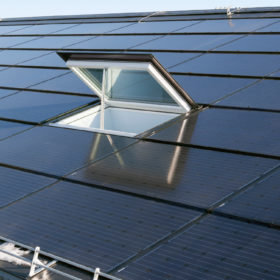
Switzerland provides additional $47m for solar incentives
The government wants to see off a potential slump in the PV market as a result of the Covid-19 pandemic. The increase means CHF376 million worth of rebates will be available for solar systems.

Greek utility eyes nation’s first subsidy-free PV project
The state-owned electric company, which has finally pivoted towards green energy, is developing a subsidy-free approach.

Negative energy price drives loss of Netherlands solar incentives
Negative energy prices for more than six hours mean the Dutch government will pay no renewables incentives under its SDE+ program for March 29. The plunging electricity price was caused by slumping demand for energy as restrictions were put in place to help prevent the spread of Covid-19.

Covid-19 daily bulletin: Market contractions and hackathons
pv magazine rounds up the latest Covid-19-related stories likely to affect the world of solar and energy storage.
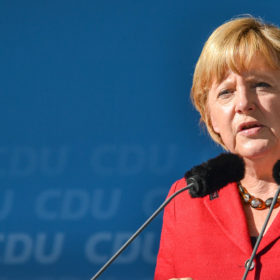
Covid-19 daily bulletin: Grim news from US and Australia but pandemic is not solely to blame
The U.S. solar industry experienced a wave of job losses last month and the public health crisis has driven foreign exchange losses which will jeopardize projects Down Under, but it is Angela Merkel’s government which is attracting the ire of German PV installers.

Renewables and geopolitics: Who will ‘win’ the energy transition?
The losers in a world which no longer runs on fossil fuels are obvious but the dividend from shrugging off hydrocarbon dependency will be spread around most of the world so it is the nations which are winning the cleantech manufacturing and intellectual property race which appear best positioned for the future.
Europe can be 60% powered by solar before 2050
Perhaps it is not surprising a report co-produced by Europe’s solar industry places PV at the heart of a zero-carbon, mid-century energy system on the continent. However, the study does flesh out two out of three scenarios in which becoming carbon-neutral by 2050, or even 2040, could be possible.
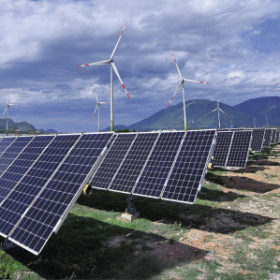
Covid-19 daily bulletin: Renewables squeezing out fossil fuels as energy demand plunges
Although the energy price recovered this week, ultra low levels driven by bumper solar power generation on a sunny weekend in Germany reportedly put further pressure on the business case for conventional energy.
