
Solar lobby group’s UK budget demands unlikely to be heeded
The UK Solar Trade Association has laid out its wish list ahead of new chancellor Rishi Sunak’s first budget speech tomorrow, with an exemption of solar from onerous tax valuations top of the agenda. COVID-19 measures, though, are likely to cast everything else into the shade.

Project developers can secure cash from new IRENA funding pot
The Climate Investment Platform launched by three multilateral bodies in September is now open for business and renewables companies in developing nations could qualify for help with clean energy facilities, renewables-related grid improvements and energy efficiency schemes.
Entso-E targeted in recent cyberattack
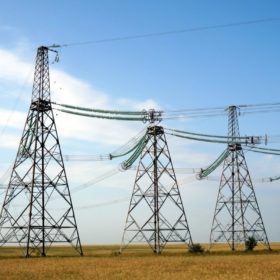
The European Network of Transmission System Operators for Electricity said on Monday that unidentified hackers recently targeted its computer networks.
EU climate law sets the stage for a green transformation
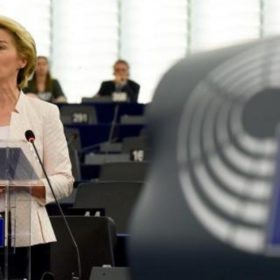
Although decried for lacking ambition and as an abdication of responsibility in some quarters, the climate law proposed by the European Commission may be more ambitious than it first appears, as Felicia Jackson, from the center for sustainable finance of the School of Oriental and African Studies at the University of London – considers here.

DEWA opens new solar R&D center
The Dubai Electricity and Water Authority’s new research facility at the Mohammed bin Rashid Al Maktoum Solar Park will primarily focus on solar power, energy efficiency, and the integration of smart grids.

India mulls alternatives to bank guarantees for PV projects
Lobby group the National Solar Energy Federation of India has welcomed the move and asked the Ministry of New and Renewable Energy to extend any such measures to existing contracts to help developers meet working capital requirements.

Cyprus’ largest PV park is operating subsidy-free
The 8 MW facility has been developed by a cement producer to supply around 10% of the annual electricity needs of its nearby factory. Under subsidy-free rules, the power will be bought by the Electricity Authority of Cyprus for the average price it would have paid if the electricity had come from fossil fuels.

Optimistic solar outlook in India dimmed by Covid-19
Developers are also expected to drag their heels over project completion during the first half of the year as the safeguarding duty applied to imported Chinese and Malaysian solar products is due to expire at the end of July.

Australian government redirects funding for Energy Transition Hub
The Australian federal government said last week that it will curtail funding for the five-year Energy Transition Hub research initiative.

EU Climate Law dubbed a ‘surrender’ by Thunberg and a ‘disappointment’ by trade bodies and politicians
European Parliament groupings, renewable energy associations and climate activists have voiced disappointment at the EU Climate Law officially unveiled yesterday. Lack of a raised emission-reduction ambition to 2030 is at the heart of the opposition, with critics saying the plan will be insufficient to help prevent global temperatures rising more than 1.5 degrees Celsius.
