
ERA-Net awards 23 future energy pilot projects across Europe
Under the umbrella of the European Union’s Horizon 2020 initiative, the research platform ERA has initiated a new batch of future energy projects. Looking at the list of winning projects, it is easy to tell that hydrogen, virtual power plant, and blockchain projects are really at the center of what Europe thinks will be important for its net-zero carbon plans by 2050.
Panda Green settles $350m notes with hours to spare
The debt-saddled developer now has to hope its latest, $230 million state bail-out goes ahead before summer or it will be left $260 million in hock to its Beijing-owned main shareholder.
Renewables deals dwarfed by oil and gas at UK-Africa Investment Summit
The scale of fossil fuel deals signed between African governments and U.K. oil and gas interests reportedly amounted to more than 11 times the volume of renewable energy commitments as Britain scrambles for post-Brexit financial opportunities.
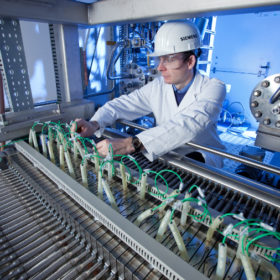
Integrated energy system could see 110 GW of electrolyzers in Germany and Netherlands
A report from Dutch grid operator TenneT and gas business Gasunie suggests the companies should jointly develop infrastructure after 2030. With hydrogen and synthetic methane in demand, electricity and gas will become increasingly inter-linked. Only seamless integration of the two networks would enable the EU to achieve its net-zero-carbon 2050 plan.
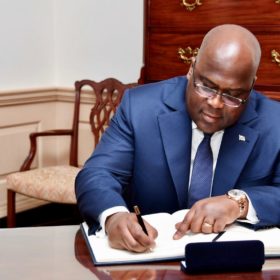
Congolese president makes off-grid renewables pledge
Félix Tshisekedi reportedly said he wants to use standalone energy units, such as solar home systems, to bring electricity to at least 21 million people in the next nine years.
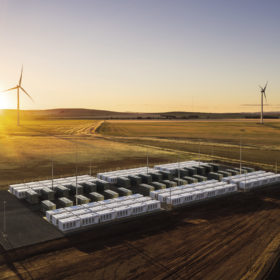
Lake Bonney big battery ready to supply Tesla’s Australian EV charger network
The 25 MW/52 MWh battery at the Lake Bonney wind farm is in the final stages of testing. Once operational, the big Tesla battery will supply the electric carmaker’s Australia EV supercharger network with renewable electricity.
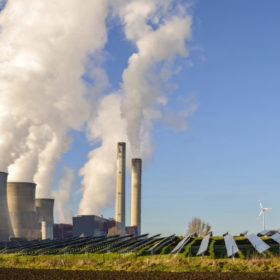
‘China will add 35-38 GW of solar this year’
Power generation statistics released by the National Energy Administration appear to confirm the nation added 12 GW of solar last month. China also deployed another 41 GW of polluting coal-fired power plants last year.

Armenia aims to improve net metering for small scale solar
The government is being helped by the European Bank for Reconstruction and Development as it designs a new net metering system. The country already supports large scale PV plants and small solar parks.
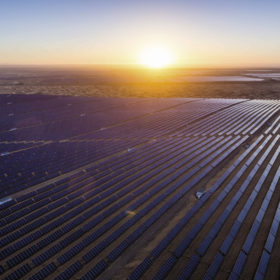
China Huaneng to acquire 294 MW of GCL New Energy projects
The state-owned electric utility is preparing to acquire seven project companies in China, generating $156 million for the developer and removing a further $385 million of liabilities from its books.
Breaking news: Zhonghuan Semiconductor up for sale
The body responsible for state-owned assets in the Chinese port city of Tianjin has approved plans to sell all or part of the solar manufacturer to outside investors – although the rumored beneficiary is thought to be partially state-owned itself.
