
Hungary launches first renewables auction and tops 1.1 GW of solar
The EU member state added 418 MW of new solar in the first six months of the year and its energy regulator expects another 1.4 GW in the years ahead, as a result of the METAR incentives scheme introduced in 2017. The regulator has also announced a pilot renewables auction with the results expected early next year.
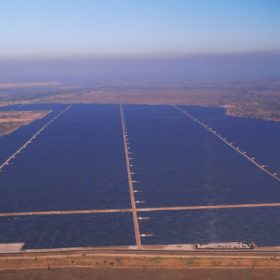
DTEK inaugurates 240 MW solar plant in Ukraine
The energy company wrapped up construction of the site in eight months. In March, DTEK commissioned a 200 MW site which was also installed in record time.
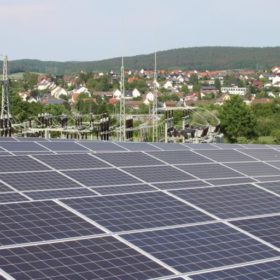
Germany added 2.9 GW of solar in nine months
In September, PV systems with a total generation capacity of 287 MW were registered in the country. The feed-in tariff has fallen again for this quarter as a result of the new capacity additions.
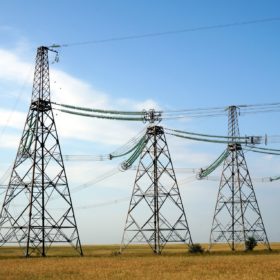
Solar electricity can retail for $0.027-0.036/KWh as renewables close in on global grid parity
The latest figures released by BloombergNEF show new solar and onshore wind power plants have reached parity with average wholesale prices in California, China and parts of Europe. The technologies are winning the race to be the cheapest sources of new generation for two-thirds of the world’s population.
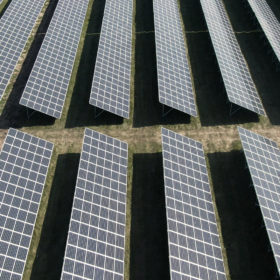
Russian Far East sees 75 MW of large scale solar come online
Five PV power plants, each with a generation capacity of 15 MW, were grid-connected in the Russian Republic of Buryatia and the Zabaikalsky Territory. The projects were built under a program which offers generators capacity payments and the ability to trade on the wholesale energy market.
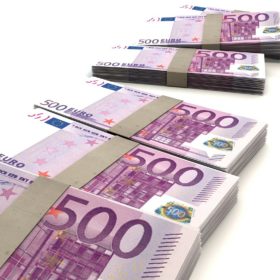
European coal fleet will run at a loss of €6.57bn this year
Economic thinktank Carbon Tracker used financial modeling to determine the profitability of every coal power plant in the EU. On average, 79% of the facilities run at a loss, with Germany, Spain and Czechia among the states particularly exposed to the consequences – for coal investors and the public.
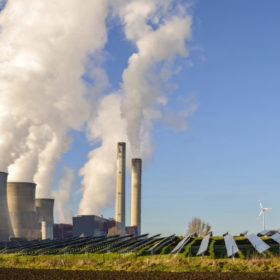
The largest private coal company in the United States just went bankrupt
Despite promises by President Trump to save the coal industry, the crisis in the sector is clear. Solar, wind and batteries have the world to gain.

Spain and Brazil the world’s ‘solar investment hotspots’ but eyes on Vietnam
Analysts at Fitch Solutions have published a report singling out Spain and Brazil as ‘outperformers’ in the global solar market and labelled Vietnam the “market to watch”. The analysts expect surging growth from the Southeast Asian nation to continue in the coming decade.

Kenya’s Kisumu County launches tender for solar mini-grids
The local authority is seeking proposals to build mini-grids with generation capacities of more than 5 kW to power hospitals, markets, water pumping and street lighting. The council has expressed a strong preference for the build, operate and transfer project development model.
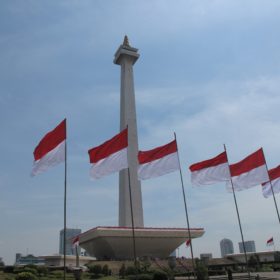
Indonesia improves rules for rooftop PV
The government has amended two regulations and introduced a new one to spur development of rooftop PV. The new provisions increase the size of systems eligible for net metering payments and reduce fees for industrial installations.
