New-look auctions fire up Brazil
Next up in pv magazine‘s unsung solar markets series is Brazil, where a new series of auctions for solar has provided much needed clarity to the sector, at least up until 2021.

Myanmar issues tender for rooftop PV
The nation is targeting an unspecified capacity of solar PV systems to be installed on households and public facilities across several of its regions. The successful projects will be jointly financed by the World Bank and the government of Myanmar.
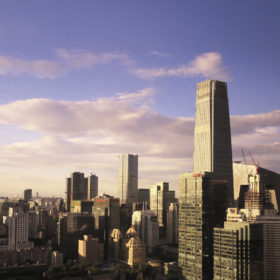
Putting China’s electricity market reforms on the spot
A report by the U.S.-based Rocky Mountain Institute has modeled scenarios for the deregulation of electricity markets in China. The report finds the implementation of a spot market would drive increased integration of renewables and provide significant reductions in costs and emissions.
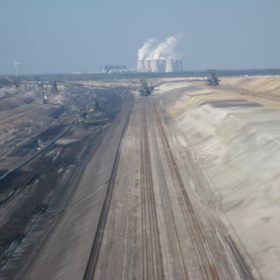
EU coal regions could deploy 730 GW of PV while retaining employment rates, study finds
A study performed by the Joint Research Center of the European Commission has identified serious solar potential in Europe’s coal regions. According to the study, the transition to PV would also allow for similar full time employment equivalents as that of the coal industry.
Small solar parks appear in Sweden
pv magazine‘s delve into unsung solar markets continues with a look at Sweden. While its installation numbers are small, solar in the Scandinavian nation has developed steadily, and megawatt scale installations are beginning to appear.
PV license fever in Greece continues
Applications to generate electricity from solar plants continue to surge, reflecting the sector’s revival in the country.

China’s air pollution reduces PV production potential by up to 13%
If China could travel back to the 1960s with its 2016 PV generation capacity it could harvest an additional 14 TWh of solar power, according to a study by academics at universities in Switzerland and the Netherlands. With a mixed record for reducing pollution, the country’s solar fleet output appears to be drastically affected by dimmed solar radiation.
Belgium needs PV to meet obligations
Part three of our series on solar’s less covered markets takes us to Belgium, where despite impressive instsllation numbers from the rooftop market, a lack of volume means the country is unlikely to hit its EU mandated 2020 targets for renewable energy.
Islamic financing tipped to emerge as major player in PV investment
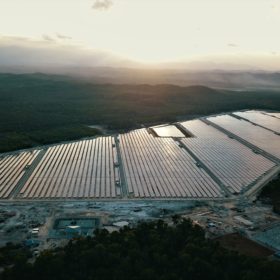
In every corner of the globe, markets are experiencing an increasing need for capital to back renewable energy assets. Apart from conventional loans, bonds and equity schemes, Shariah-compliant financing instruments, such as Sukuk, serve as a catalyst for funding PV projects, Deloitte finds.
Electricity demand drives Bangladesh
The second part of our hidden champions series head to Bangladesh, where rapid industrialization is driving increased electricity demand. Already a major off grid market, Bangladesh is seeing increasing interest from international investors and is taking the first steps toward realizing its formidable potential for large scale solar installations.
