
High power prices, falling PV costs and new regulations behind Brazil’s solar carnival
The nation’s thriving distributed generation market is flying, as was evident at last week’s Intersolar South America trade show. The sector seems unconcerned by mooted changes to net metering incentives in the new year and when even an environmental non-believer like President Bolsonaro is on side, it is difficult to be pessimistic.

Big money for Turkey’s 500 MW solar factory
With the Turkish government having given Kalyon Enerji another three years to build the 500 MW facility it won a tender to construct with former partner Hanwha Q Cells, Ankara has now committed a $333 million “super incentive” to the fab.

China’s aluminum smelters alone could shift 2.3% of daily electricity demand
German energy agency Dena has found China’s smelter fleet could shift 432.5 GWh of daily demand to more amenable hours to tally with renewables generation. To make it happen though, the regulator needs to lay down rules for providing incentives.
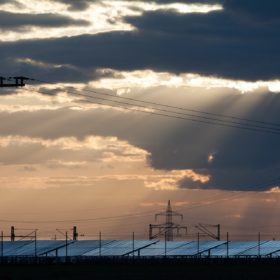
Namibia and Botswana mull 20-year, 4.5 GW solar push
The governments of the two African nations are considering deploying huge volumes of generation capacity over two decades. The project, still in its initial phase, is being supported by the World Economic Forum’s Global Future Council on Energy.
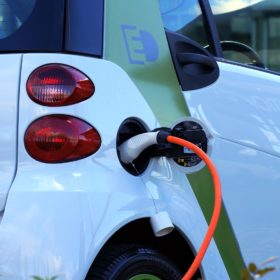
Dutch government treats 21 municipalities to smart EV chargers
Vehicle-to-grid functions could soon become increasingly important. While policymakers discuss the necessary regulations in other nations, the Netherlands government is motoring ahead with the technology.

‘Explosive growth’ ahead for Chinese PV predicts Solargiga
The Chinese manufacturer is holding out hope a boom that is expected to start imminently will help it turnaround losses that forced it to issue a profit warning last week. Getting its new production line in Qujing up to speed will help, provided the demand materializes.

Rajasthan eyes 50 GW of solar within six years
The Indian state plans to achieve half the amount by 2021-22 under its new draft solar policy. The package also suggests establishing a research hub, privately financed solar parks and encouraging commercial self-consumption of clean energy.

Building a successful renewables auction in Colombia
pv magazine publisher Eckhart Gouras spoke to Carolina Obando, regulatory coordinator at renewable energy association SER Colombia, to discuss the country’s first renewable energy auction. The delayed tender promises to boost a solar industry with a 4.3 GW pipeline.

Germany added 292 MW of solar in July
Demand for systems with a generation capacity of up to 750 kW is driving the market. The 52 GW capacity cap for solar under the national FIT scheme is approaching. In September, feed-in tariffs and market premiums will fall a further 1.4%.

PV cheaper than spot market electricity across Europe
The levelized cost of energy produced by large scale PV projects ranges from €24/MWh in southern Spain to €42/MWh in Finland. New research states that is already cheaper than the average spot market electricity price and that the figure for big facilities in southern Spain may fall to €14 in 2030 and €9 in 2050.
