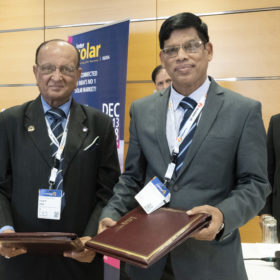
GSC wants 1 billion mini-grids, 10 million solar jobs
“One billion mini-grids, one billion home lighting systems, one billion solar PV ports, 10 million jobs and energy for all have-nots around the world. This is the primary dream of the Global Solar Council (GSC) and we shall achieve this by 2030,” Pranav R Mehta, who took over as chairman of Global Solar Council today, told pv magazine in an exclusive interview.
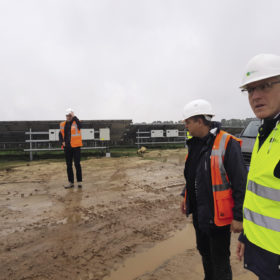
Grid parity’s muddy trails
Europe’s new breed of grid parity projects is mushrooming on the southern fringes of the continent. With governments’ flexible attitude towards remuneration, to the detriment of reliable planning, the desire to make grid parity projects work is strong, and its progress will likely spread north.

2018: India’s year of failed tenders
Tariff ceilings, safeguard duties, a falling rupee and mandated manufacturing capacity turned 2018 into a year of annulled tenders, and no shows by bidders.
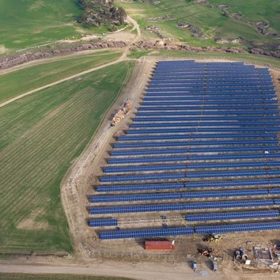
Cyprus to see a new wave of subsidy-free PV in 2019
Cyprus has introduced several policy schemes supporting solar development over the years, yet the single most important boost for PV technology on the island is a plan that backs a new wave of what are considered to be subsidy-free projects.

14 PV trends for 2019
Having reflected on the year gone by, it is time to turn attention to the coming year. Many predictions may not fully, or even partially, bear the fruit they promise – and the unexpected is always lurking in the background – however they can be a useful indicator of certain pathways and growth areas. With this in mind, the pv magazine team has compiled a list of the top 14 solar PV and energy storage trends expected to characterize 2019. What do you think? Have we missed anything?
4: Wrapping it up
Despite the rollercoaster of emotions experienced throughout the year, the final quarter of 2018 wrapped up on a relatively positive note, with the scrapping of Spain’s sun tax, and ambitious goals either announced or reaffirmed. Read on to discover what happened in the months of October to December.
3: PV’s day of judgement
China continued to take center stage in Q3 2018; however the focus shifted from its now notorious policy change. In both positive and negative news, Europe announced the end of the MIP, at almost the same time as the United States slapped tariffs on Chinese imports of inverters, AC modules and non-lithium batteries. Yin yang. Ping pong.
Unlocking Scandi-candy for PV projects in developing countries
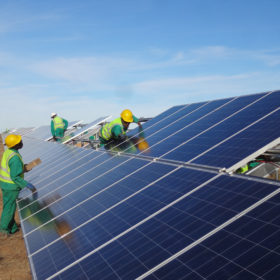
A new report suggests that better guarantee mechanisms and securities could unlock more investments from Scandinavia for renewable energy projects in developing countries. Overall, however, it finds that Norway, Sweden and Denmark have comprehensive mechanisms in place for bringing together industry and public support schemes.
Now or never for the EU
The European solar industry is on its knees, but the EU appears willing to set a course for reconstruction. With SolarPower Europe and the European Solar Manufacturing Council, there are now two associations that are actively advancing a course for strong solar industrial policy among the EU bureaucrats in Brussels. The goals, however, are somewhat different.
2: And let the solar games commence
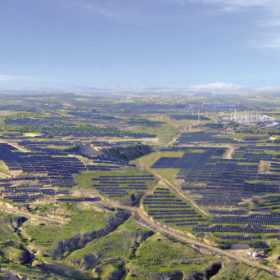
While China’s PV policy announcement dominated the headlines in Q2 2018, there were a lot of other significant happenings in the world of solar, not least the EU’s 32% renewable energy targets, rumors of U.S. tariffs on inverters, PV records in Germany, and unexpected new partnerships. Read on to discover the highlights from April to June.
