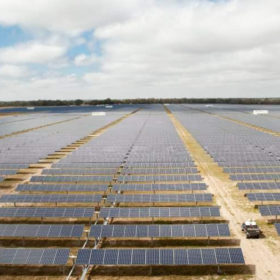
SunPower to shift IBC solar production to new technology
The PV maker plans to shift its 800 MW of E-Series production to its new NGT technology, as it records a massive loss on depreciation of its old equipment. The move was revealed in second-quarter figures featuring plenty of red ink.

India: Uttar Pradesh cancels 1 GW projects due to high tariff
Citing high tariff of INR 3.48 ($0.050)/kWh as untenable, the Uttar Pradesh New and Renewable Energy Development Agency (UPNEDA) has cancelled the recent auction for the development of 1 GW grid-connected solar PV projects across the state.
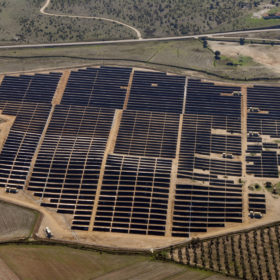
Work never stops for big solar parks in Spain
The Balearic Islands have decided to fast-track a 42 MW solar project, which would raise the three island’s total installed generations by one third. Iberdrola has secured a PPA for its 391 MW Nuñez de Balboa projects. Moreover, several other PV projects have obtained approval from regional authorities.

EU commits €578 million for Iberian-EU energy market integration
Spain, Portugal, France and the European Commission have signed a deal to increase the capacity of the energy interconnection between the Iberian Peninsula and Europe. Currently, the interconnection capacity is 6,000 MW and, thus, far from the 15% goal set in 2015.
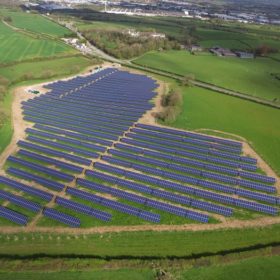
2017 saw UK switch away from coal, gas to renewables
While they remain the dominant source of energy supply, there was a shift away from fossil fuels to renewable energy in the U.K. last year. The country is “comfortably” on track to exceed its 30% renewables target, says the government.
Renewables power ahead in Australia
Green Energy Markets’ latest analysis shows the National Electricity Market is on track to get 33% renewable electricity by 2020, with individual states performing well beyond that. But the report claims solar jobs will be lost unless the National Energy Guarantee’s 26% emissions reduction target is lifted.
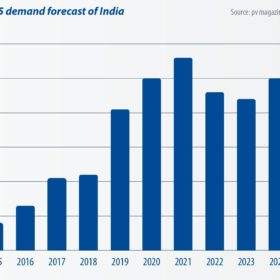
India’s trade war will have global repercussions
India is currently the second largest market in the world for PV module demand. With China’s domestic demand frozen since the 31/5 notification, the country’s total module demand in 2018 will likely only achieve 32-34 GW. This will allow India, which may surpass 10 GW in annual demand, to reach 13% of global PV demand this year. As a result, the future of India’s trade war has become an influential factor in the global PV industry.

The figures for China’s booming PV industry will be seen with a tinge of regret
In what analysts worldwide are sure to look back on as the last golden period for global solar – at least for the immediate future – China saw more impressive figures for PV manufacturing in the first half of the year. Then the government stepped in.

UK green lights fracking days after targeting small-scale renewables
Decision comes just days after business and energy department prepares to end export payments for solar households, and with parliament in its summer recess. The permit has outraged green groups, the opposition Labour Party and nearby residents.

India slashes tax rate for batteries and their raw materials
The 10% reduction in GST is an example to the UK government, which is seeking suggestions on how to drive solar take-up, but manufacturers are already calling for further reductions to fire battery storage in the nation.
