
A 20% solar electricity ambition and 30 million roofs for Europe
The new CEO of SolarPower Europe, Walburga Hemetsberger, explained her goals for the development of the European solar industry in the next 10 years when interviewed by pv magazine during the association’s SolarPower Summit in Brussels.
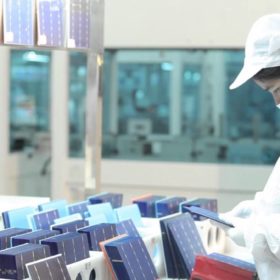
LID and LeTID: Q&A with JinkoSolar
Our next pv magazine webinar is approaching and has already attracted interest. Is it possible to control LID and LeTID and, if so, how? Here, Andrea Viaro from webinar partner Jinko Solar gives an insight into the manufacturer’s experience.

South Korea to prioritize PV projects with low carbon footprint, high-efficiency modules
The Korean government is planning to introduce new rules for carbon footprint certification, minimum efficiency levels and industrial standards for solar and wind energy. The measures are intended to make the domestic renewable energy industry grow while securing sustainable competitiveness, the administration said.
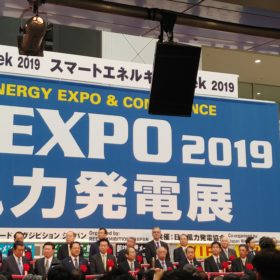
Smart Energy Week in Tokyo: Self-consumption, storage and a plentiful pipeline for now
Though we’re unlikely to see a return to the days of double-figure GW annual installation levels, Japan will stay at the top table of solar. Last week, pv magazine visited PV Expo Japan, part of Tokyo’s World Smart Energy Week, and found plenty of market developments to discuss, along with healthy interest from major players.

SunPower brings its A game to high efficiency modules
The U.S. manufacturer has rolled out its new A-Series modules as the first product using its NGT solar cells, based on larger wafers and a streamlined manufacturing process. But will it be enough to get SunPower back in black?

Spain’s Genera event dominated by PV as it draws the crowds
Spain’s most important renewable energy fair is becoming increasingly about solar. After a decade of slim pickings, last year’s event promised better times and, if this year’s show didn’t completely deliver, that’s because elections loom large.

Inside JinkoSolar’s US factory
The Chinese manufacturer is ramping the third-largest module factory in the United States, as part of a resurgence in U.S. module manufacturing.

Xinyi sees the positives despite a bruising year for solar glass
The manufacturer endured a rollercoaster ride in 2018, as China’s 5/31 policy decision saw prices plunge before staging a partial recovery. But the Wuhu-based company saw an uplift in its development business and is forging ahead with production expansion amid bullish predictions for the future of PV.

The promise of a 100% renewable energy world
The oldest solar organization in the world, the International Solar Energy Society, dates back to 1954. President David Renné tells pv magazine about India’s solar dreams, the next best thing in solar technology and what renewables hold for the world’s future.
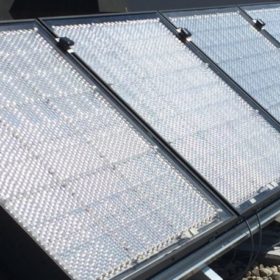
Swiss researchers claim 29% efficiency for residential CPV panel
The module was developed by Insolight, a spin-off of Switzerland’s École polytechnique fédérale de Lausanne. The panel is based on tiny solar cells usually used for spaceflight applications and the limited amount used in the module makes it close to mass production, its creators claim.
