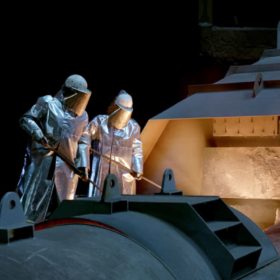
The Hydrogen Stream: Global electrolyzer market to reach 8.5 GW by 2026
GlobalData has predicted that the global electrolyzer market will hit 8.52 GW by 2026. BP and Thyssenkrupp have agreed to cooperate on the use of hydrogen in the steel sector, while electrolyzer supplier Nel Hydrogen has secured orders in Australia and Denmark.
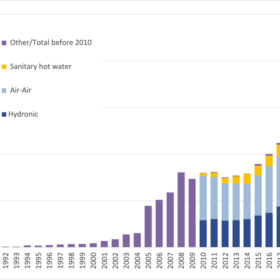
Heat pump sales grew 34% in Europe in 2021
The heat pump markets with the highest growth in Europe last year were Poland, Ireland, Italy, Slovakia, Norway, France, and Germany.
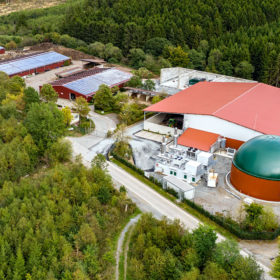
Photovoltaics and anaerobic digestion
Researchers in Egypt have studied the use of solar power and anaerobic digestion for a 6,300-square-meter farm capable of housing 200 head of milk/beef cattle. They found that this combination could achieve a cost of energy of $0.0226/kWh.
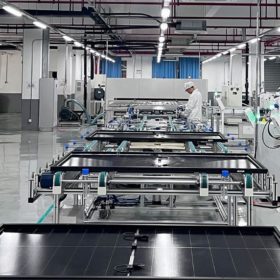
Chinese manufacturer unveils 210 mm busbarless heterojunction solar module
China’s Cando-solar Photoelectric Technology said its newest solar panel has a power output of up to 425 W and a power conversion efficiency of up to 22.1%. Its temperature coefficient is -0.24% per degree Celsius.
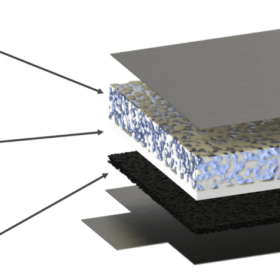
Solid-state batteries with bi-layer cell design
Ion Storage System’s $30 million capital raising will go toward scaling up its solid-state battery cell production facility in the US state of Maryland, with aims to produce 10 MWh per year by the end of 2023, for a range of applications.

pv magazine Roundtables: Videos on EU manufacturing, solar sustainability, decarbonizing homes, and PV on wheels sessions
With a strong focus on solar and battery energy storage and their role in decarbonization right throughout the European continent and economy, this year’s pv magazine Roundtables Europe focused on how green electrons, jobs, and manufacturing can deliver a cleaner, freer future for Europe. The first five sessions are now available to view on demand.
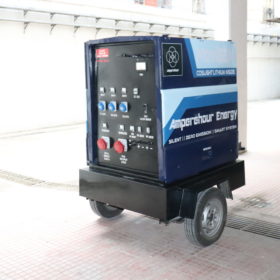
Plug-and-play mobile energy storage system
India’s AmpereHour Energy has released MoviGEN, a new lithium-ion-based, mobile energy storage system. It is scalable and can provide clean energy for applications such as on-demand EV charging, remote construction sites, and large-scale outdoor events.
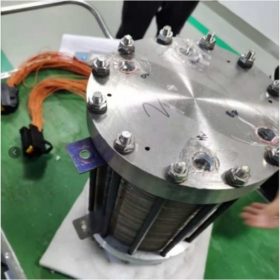
PEM electrolysis coupled with thermal energy storage
Chinese researchers claim to have improved the performance of a proton exchange membrane electrolyzer by connecting it to a thermal energy storage system.
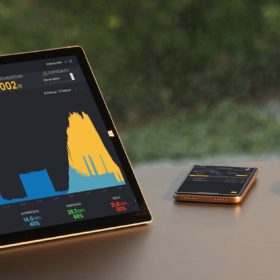
Management system combines rooftop PV, heat pumps
Swiss startup Solar Manager AG has designed a new energy management system that is compatible with the inverters of Solaredge, Solax, Kostal, Fiemer, Fronius, and other manufacturers.
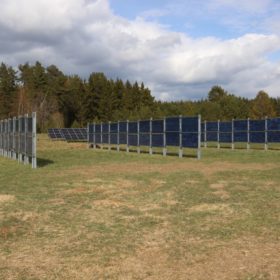
The stabilizing effect of vertical east-west oriented PV systems
German researchers have looked at how vertical PV systems could provide more electricity during periods of higher demand, while enabling a higher level of integration with agricultural activities.
