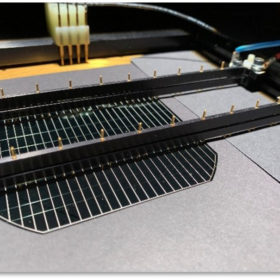
Evaluating tandem cells, from the bottom up
Scientists in Germany evaluated multiple silicon cell concepts based on both cost and efficiency in serving as the bottom layer in a perovskite-silicon tandem cell. The study, based on both simulation and experimental work, outlines advantages to various approaches with the silicon cell and concludes that in almost every case, perovskite-silicon tandem cells have the potential to bring solar costs down below what could be achieved with silicon alone.
Hybrid power solutions take off in India
A new GOGLA report notes a growing focus on hybrid power solutions that integrate DC solar with AC grid power, and appliances that integrate both AC and DC power. Sales of hybrid solar inverters are growing by 25% per year in India, outpacing demand for conventional inverters.

New three-step module testing from TÜV Rheinland
German standards body TÜV Rheinland is introducing a new testing and certification program for pv modules. The program incorporates component specific tests and ongoing, random testing of running production lines. Hanwha Q Cells assisted in the development of the program, and this week announced it is the first manufacturer to receive the new Quality Control PV Certification.
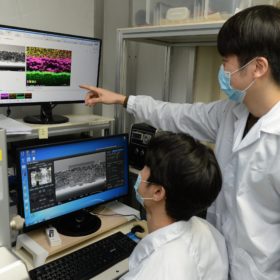
New approach to solid-state battery design
Scientists in South Korea developed a new electrode structure for a solid-state battery which they say could lead to both higher energy densities and simplified manufacturing processes for this promising energy storage technology.
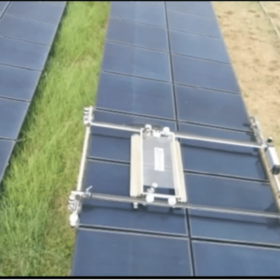
Indian startup unveils modular panel-cleaning bot
Indian startup Solavio Labs has designed a modular, autonomous bot to clean solar panels. The system is purportedly compatible with most structures, mounting areas, and climate conditions.
What must be done to use solar and wind in power-to-methanol
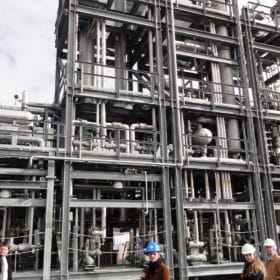
According to a research team from Oxford University, solar and wind may be applied in power-to-methanol projects only if the methanol industry will switch from conventional chemical processes, that require a constant energy supply, to more flexible processes that need demand-side management.
Smart grid project shows why UK Power Networks topped global rankings
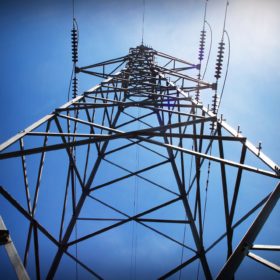
A trial run of a network of 5G-linked substation computers could free up 1.4 GW of grid capacity if rolled out across the U.K., according to the regional utility.

Solar+storage vs. Dutch nitrogen crisis
EU environmental laws are driving the implementation of zero-emission solutions in the Netherlands.

Simulation tool for mismatch conditions at cell level
Scientists in Portugal have proposed a new framework to simulate mismatch conditions at the cell level. They claim the tool is particularly suitable for simulations of small PV systems with few module strings.

Solar will dominate Neom City’s energy mix, but CSP may prevail
Saudi Arabia’s futuristic Neom City will not use the cheapest sources of renewable energy, but those with the best chances of being dispatched, due to the storage potential of concentrated solar power. But several issues must be addressed to make the tech viable.
