
Indian battery buildout begins
India has built gigawatts of PV installations in recent years and taken big strides to establish a domestic supply chain. Now it is turning its attention to energy storage. Cutting dependence on battery imports won’t be easy, but commitments from the government mean the pieces are falling into place, as Wood Mackenzie analyst Harshul Kanwar tells pv magazine.

Southeast Asia gaining ground
The power mix in Southeast Asia is heavily reliant on coal and natural gas for baseload generation, with hydropower dominating in countries such as Laos and Cambodia. However, the region’s dependence on fossil fuels is increasingly challenged by rising energy import costs, growing regulatory and corporate pressure to cut emissions, and heightened concerns about energy security amid accelerating demand from industry and cities.
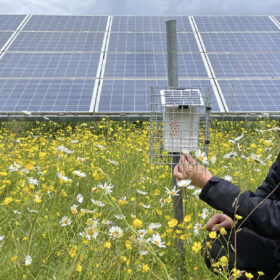
Nurturing nature
The impact of PV on rural landscapes is an emotive issue, but good evidence is emerging that when managed correctly, solar farms can enhance biodiversity. At Lancaster University, the impact of solar installations on ecosystems is a key area of research – pv magazine caught up with the researchers uncovering how PV affects plants, pollinators, soil health and more.
On the road with pv magazine
A look at some key recent and upcoming industry events for our team.
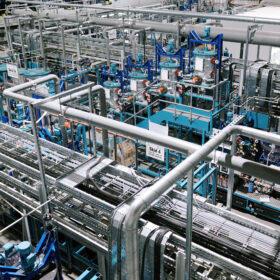
Deeper underground
At several sites in southwestern England, Cornish Lithium is moving forward with plans to produce lithium hydroxide, ready to supply the battery industry from both hard rock mining and extraction from geothermal brine. With planning permission in place for expanded drilling and a commercial production facility, the company is exploring supply agreements with battery companies, as well as potential opportunities to supply geothermal heat and potable water to the local population.
From niche to norm
It is now possible to deploy PV on buildings, roadsides, farms, mobile structures, lakes, and even vehicles. This should, in theory, make it the obvious answer to decarbonizing urban environments, ensuring that societies can produce their own clean energy affordably. So, why is integrated PV still a relatively niche market? In this series, pv magazine showcases some of the most exciting current research and development trends in integrated PV.
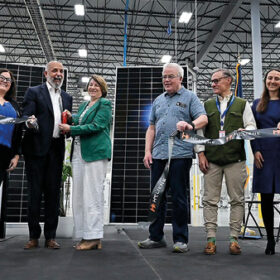
Risking progress
While changes to US clean energy tax credits and other restrictions in the One Big Beautiful Bill Act (OBBBA) create a new level of uncertainty, US solar and energy storage manufacturers vow to march on with the previously planned buildout of domestic solar manufacturing capacity.

Turbulent times for US energy storage
US President Donald Trump signed the One Big Beautiful Bill Act (OBBBA) into law on July 4, dealing a blow to clean energy. The OBBBA kills many of the provisions in the US Inflation Reduction Act that were most impactful for the energy storage industry, and while no one is fully sure what comes next, many are bracing for turbulence, as Phoebe Skok reports.

Chile moves on storage to ‘decarbonize the night’
Chile has emerged as a world leader in hybrid systems and standalone energy storage since implementing its Renewable Energy Storage and Electromobility Act in 2022. Ensuring projects are paid for injecting power into the grid during peak periods has supported growth, and ambitious battery energy storage system (BESS) targets are now being pursued to tackle curtailment.

Solar in technicolor
Colored building-integrated PV (BIPV) modules can turn building facades into art, with companies like Kameleon Solar, FuturaSun, and Onyx leading the way in module and glass design. However, Büsra Yilmaz Depondt, chief technology officer at Kameleon Solar, says developers who focus solely on aesthetics tend to neglect crucial areas like efficiency and safety.
