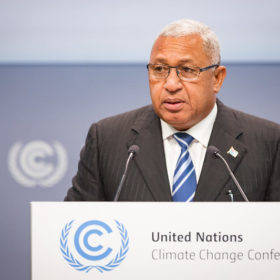
Fiji plans ‘Pacific’s largest solar project’
The island nation has agreed a deal with the World Bank’s International Finance Corporation to develop at least 15 MW of generation capacity in a US$15 million project.

Meyer Burger, CSEM to develop new PV cells, modules
Meyer Burger has extended its seven-year tie-up with the Swiss Center for Electronics and Microtechnology by three years. They aim to achieve module-level production efficiencies of more than 24%, while also cutting costs.

Israeli government greenlights plan to add 15 GW of solar by 2030
The plan envisages to reach a 30% share of renewable energies in the country’s electricity mix by 2030. An intermediate target of 20% has been set for 2025.
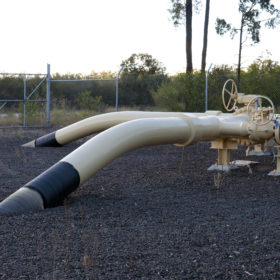
Italian utility Snam invests in hydrogen
The energy company has invested €33 million in UK-based electrolyzer maker ITM and has started a cooperation with the Italian railway operator to test joint hydrogen solutions for transport.

African governments doing too little to drive clean energy
Covid-19 rescue measures such as delaying electricity bill payments pile added pressure onto energy companies already hit by pandemic-related falls in demand in a continent which a new study suggests is too dependent on donor aid for the development of renewables.
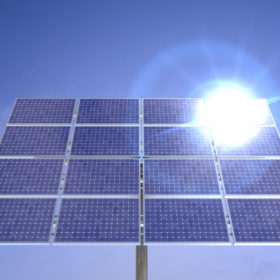
The best PV module cooling technique
An international research team has analyzed all existing cooling technologies for PV panels and has indicated the current best options and future trends of research. According to its findings, active water cooling, although expensive and not particularly practical, is the most effective cooling technique while passive cooling systems, despite being easy to apply, have still limited possibilities.

France launches tenders for hydrogen projects
The French authorities have launched two tenders for projects, in line with a new national plan to develop carbon-free hydrogen, announced Sept. 8.
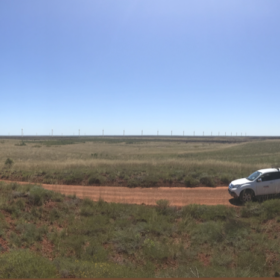
Australia’s 26 GW Asian Renewable Energy Hub plan gains momentum
The proposed 26 GW Asian Renewable Energy Hub in Western Australia gained federal government support last week. Construction is expected to start in 2026.
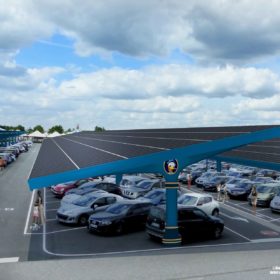
Huge solar carport for Disneyland Paris
A new 17 MW solar array is expected to cover around 17% of the theme park’s electricity needs. Completion is scheduled for 2023.
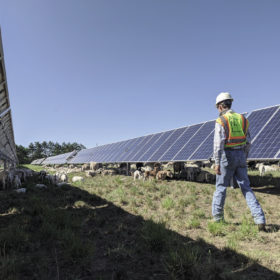
The weekend read: The ground beneath
A number of drivers are highlighting the importance of vegetation management in utility-scale solar projects, from coupling with agriculture to the significance of pollinators, as well as the related permitting and O&M benefits. Tom Karas of Minnesota Native Landscapes sets out why awareness of comprehensive vegetation management is of growing importance in the solar sector.
