Italian solar company changes hands
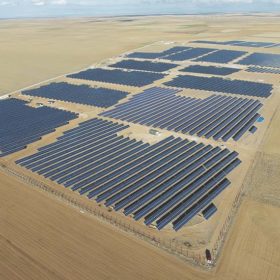
The operations and maintenance and the engineering, procurement and construction arms of PV company Enerray have been sold off by troubled industrial conglomerate Gruppo Industriale Maccaferri for cash, transferring 240 MWp of Italian generation capacity to the management of rival LT Renewables.

Burkina Faso kicks off ‘Solar Cluster’ plan
The West African nation is launching a capacity-building program to create an ‘ecosystem’ of PV and energy-efficiency businesses. The Green Climate Fund is providing access to international finance.
Canberra project REVS up Australia’s vehicle-to-grid readiness
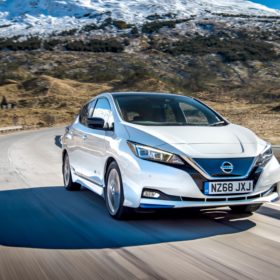
The Australian Renewable Energy Agency is putting US$1.66 million into a vehicle-to-grid trial to demonstrate how electric vehicles can provide grid ancillary services. The REVS research and industry consortium hopes to show how EVs can generate revenue for fleet owners.

Easy-to-clean solar panel coating developed in India
The super-hydrophobic coating uses nanoparticles to reduce dust deposition on solar panels and cleans itself by the movement of water on modules.

Clean energy inequity can be addressed with data, coordination and policy change at a local level
Communities of color in the United States are benefiting less from clean energy technologies and, as a result, are paying more for energy.
Eastern Europe coal exit offers a €50bn clean power opportunity
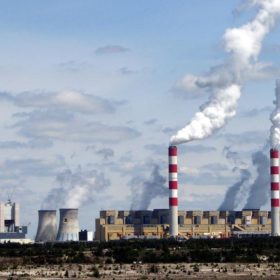
With Bulgaria, Poland, Romania and Czechia having dragged their heels over climate legislation for years, BloombergNEF has estimated the most economic route out of the coal habit. It is a path which could see 40% less carbon emissions in 2030 than were recorded last year, with a 47% clean energy power mix.
Chinese PV Industry Brief: Longi to grow by 10 GW, China opens world’s largest floating PV project
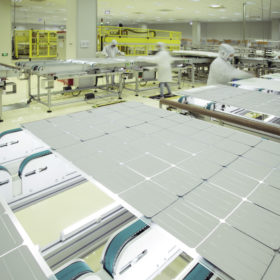
Plus, equipment manufacturer Shangji Automation is set to enter the silicon ingot making game with plans for an 8 GW fab, while state-owned developer Panda Green says it plans to add 500 MW of annual project capacity over the next three years.
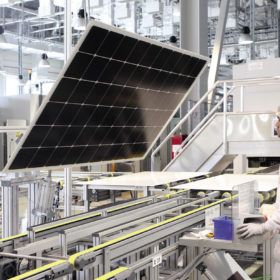
Russian solar manufacturer goes green
Hevel Group has announced it will source all the 65 GWh required annually to run its Novocheboksarsk factory from renewables sources via the wholesale market.
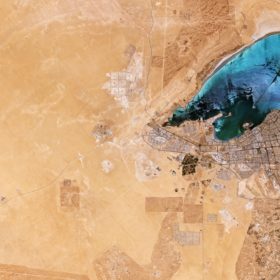
Is Kuwait ready to ditch landmark solar project?
The, variously reported, 1 GW or 1.5 GW, $1.2-1.43 billion ‘Dibdibah’ or ‘Dabdaba’ solar project is reportedly at risk of being abandoned altogether. The ambitious project was supposed to have been tendered in the first quarter of 2018 with a view to completion this year.
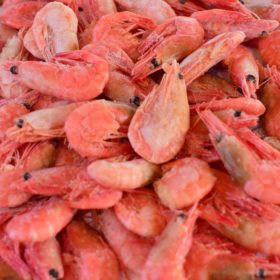
There’s something fishy about this flow battery innovation
Scientists led by MIT have suggested chitin, a carbon and nitrogen-rich material made from waste shrimp shells, could produce sustainable electrodes for vanadium redox flow batteries and other energy storage technologies.
