
UPC/AC Renewables invest in 550 MW of pumped hydro and solar in Australia
AC Renewables, the energy arm of Philippines’ Ayala Corp, and Australia’s UPC Renewables have agreed to buy 51% in a 250 MW pumped hydro project and a neighboring 300 MW solar project, both located in South Australia.

The tide is changing for ground-mounted PV in Ireland
Ireland appears ready to embrace PV after years of failed announcements. Globaldata predicts the EU member state will deploy around 1.3 GW of solar by 2030, with renewables potentially meeting 65% of electricity demand. Furthermore, Irish Water has announced it wants to deploy solar at its water treatment plants.

Lithium-ion batteries still set for US tariffs on September 1
The energy storage market is set to be the latest affected by Trump’s trade war as lithium-ion batteries were excluded from the group of Chinese imports for which the U.S. president announced tariffs would be delayed until December 15.

A new spectroscopic method to understand the physical principles of organic PV
A German research team claims to have created a new visualization technique it says can enable detailed mapping of the energetic landscapes of organic PV cells on a nano scale. The technique could lead to organic cells with reduced power losses.
Dear European solar industry: Let’s lead the interconnected platform before it is too late
While China is single-handedly reducing CAPEX for modules and inverters, Europe understands that hardware won’t be the holy grail – generally speaking. But what is? Perhaps it is time for a new strategy to surf in front of the digital wave.
Daqo prepares for flood of new PV orders in China
The polysilicon manufacturer took a step back in the last quarter to take two steps forward in the next, bringing forward annual maintenance operations at its main production facility to prepare for a solar gold rush expected to start next month.

German PV equipment makers report fall in revenue
Manz and Singulus have both seen turnover drop in the first half.

German industry body calls for 5 GW cell manufacturing fab in Europe
The VDMA says Europe can restart a solar production sector that can compete on price with Chinese imports by reducing transport costs – provided a Euro supply chain can be established.
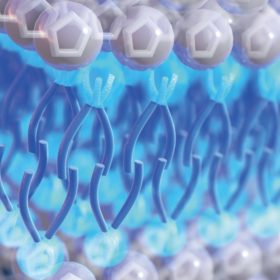
‘New and strange properties’ provide a boost to energy storage
MIT scientists have developed a class of liquid electrolyte with properties they say could open up new possibilities for improving the performance and stability of lithium batteries and supercapacitors.

Ganfeng Lithium’s Hong Kong-based shareholders rebel
Holders of almost two-thirds of the miner’s Hong Kong listed stock voted down a proposal to issue new non-Chinese shares that would dilute their investment by around a quarter. The board had proposed the move to raise funds for further lithium extraction overseas.
