
Bahrain launches 100 MW PV tender
The large-scale IPP project will be developed at a landfill site. The plant is part of the kingdom’s plan to deploy 255 MW of solar by 2025.

Greece adds just 41 MW of solar in 2018
The amount of new PV added by Greece in 2018 is tiny but signals the sector has been restarted, mainly thanks to renewable energy tenders. However, significant challenges remain when it comes to meeting a 2020 solar energy target.

PV rooftop simulators may unlock solar growth in developing cities
IRENA says technologies for 3D rooftop footprint generation and solar irradiation modelling are becoming increasingly cheap, making them suitable for deployment anywhere in the world. Developing cities across Africa and Asia could access such technical resources to plan rooftop PV development.
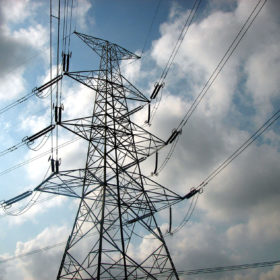
US will see more than 8 GW of solar come online this year
With 4.3 GW of utility-scale solar and 3.9 of distributed generation predicted, the figures collated from federal sources don’t take account of the huge capacity of solar projects waiting in the interconnection queues of seven grid operators.

Glass business Sunpartner Technologies files for insolvency
French BIPV glass manufacturer Sunpartner is seeking buyers for its two businesses after starting insolvency proceedings due to the lack of short-term funding.
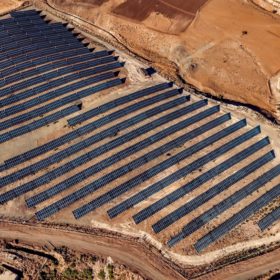
Turkey scraps 1 GW solar tender
The procurement exercise, intended for the deployment of large-scale projects across three locations, was to have been held on January 29. The tender will be re-issued this year – and it may include storage.
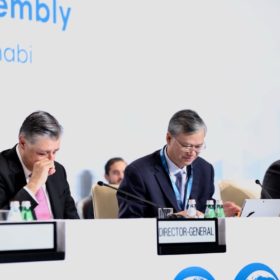
Italian climate negotiator selected as head of IRENA
Italian COP negotiator and environmental public servant Francesco La Camera has been selected as the International Renewable Energy Agency’s (IRENA) new director-general. He takes over from Adnan Z Amin, who stepped down from the role after eight years with an heartfelt parting address.
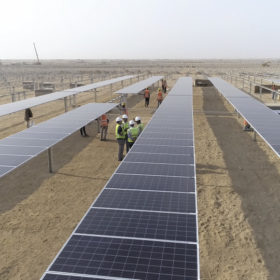
The weekend read: Tender reassurance
Many large-scale solar projects are underway, with more on the horizon throughout the Middle East, but it’s the oil-rich Gulf states that have some lofty goals. However, countries may be overlooking a key necessity for long-term, sustainable growth.
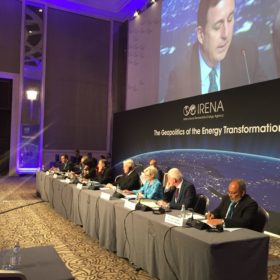
IRENA: Energy transition will see geopolitical “winners and losers”
The International Renewable Energy Agency has plotted the potentially dramatic impacts of a global transition to renewable energy from fossil fuels. Today’s A New World report notes the transition requires international cooperation to manage disruption, as it will leave behind countries and industries that fail to adapt.
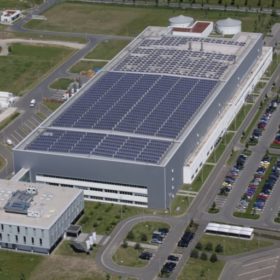
Astronergy will halt module production in Germany
The German subsidiary of the Chinese Chint Group will be restructured. The German site will in future focus on marketing and sales as well as areas such as customer care, logistics, customs clearance and other business-related services for European and global customers. More than 200 of the 230 employees will lose their jobs when production stops.
