
Australia’s QUT discovers process to lower the cost of renewable hydrogen
Hydrogen holds promise for harnessing renewables to produce clean fuel for transport, growing a green energy-export industry, and overcoming seasonal intermittency challenges in the grid. On the road to viable hydrogen production every cost-efficiency measure counts.

Regional EU leaders demand clarity for energy communities
Consumer- and municipally-owned energy systems are lauded as key elements of the energy transition. However, their market design in many regions is still prohibitively complex. The European Committee of the Regions has presented a policy recommendation to address these issues, and enable a just and democratic energy transition.

COP24 live blog – Day 1
Max Hall will be attending the COP24 climate change conference in Katowice, Poland on behalf of pv magazine and bringing you all the developments as they happen, as well as sniffing out anything solar related.

India: Maharashtra discom issues 1 GW tender with tariff cap
The Indian state is looking to install 1 GW of new solar PV power under a new tender issued. A ceiling tariff of Rs 2.80 (US$0.039) has been set.
Wind, solar could be self-financing by 2025 under current European electricity market design
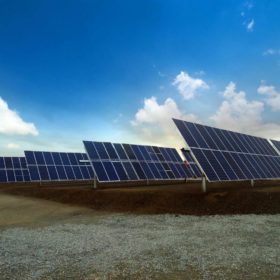
According to a report from the Centre on Regulation in Europe (CERRE), lower capital costs for large-scale wind and solar projects, and much higher fossil fuel and carbon prices could lead to renewables becoming self financing by 2025. If these conditions do not materialize, more auctions and tenders may still be needed.

Positive signals from China boost 2019 forecasts
On November 2, China’s National Energy Administration held a symposium to evaluate the results of the 13th Five-Year Plan for solar PV development at its halfway point, discussing the adjustment of PV and thermal generation targets in the plan. As a result of this, there is renewed positivity regarding China’s domestic solar demand in 2019-2020.
The weekend read: China’s 31/5 malaise
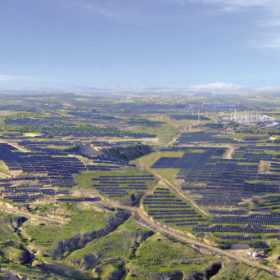
While recent signs from the Chinese administration, including the National Energy Administration, are that the PV sector in the country will return to robust health, the contagion of the 31/5 policies is still being felt throughout the supply chain. Vincent Shaw in Shanghai investigates the symptoms and causes of Chinese solar’s ill health.
“Wall of money” fighting for U.S. solar projects
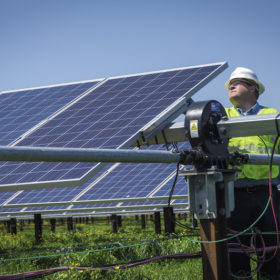
Wood Mackenzie notes that new investors and sources of capital are chasing down a limited supply of viable U.S. solar projects and sees tightening targets, expanding project appetite, and evolving techniques.
Molten silicon storage enough to power city, says MIT
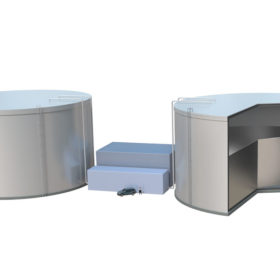
The system turns light of white-glowing molten silicon into electricity using specialized PV cells. The researchers claim that the concept could store electricity at around half the costs of pumped hydro. A single system comprising two ten meter tanks could power 100,000 households.
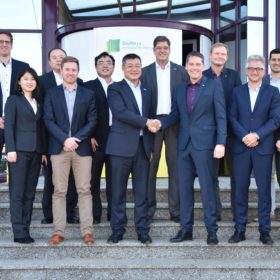
BayWa r.e. and Longi Solar ink global framework agreement
The deal marks the first time BayWa r.e. enters into a distribution agreement with a Chinese module manufacturer, according to a company statement. The deal has been described by the companies as a ‘win-win’ for both.
