
Now or never for the EU
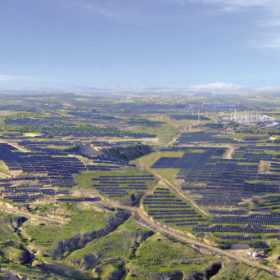
The European solar industry is on its knees, but the EU appears willing to set a course for reconstruction. With SolarPower Europe and the European Solar Manufacturing Council, there are now two associations that are actively advancing a course for strong solar industrial policy among the EU bureaucrats in Brussels. The goals, however, are somewhat different.
2: And let the solar games commence
While China’s PV policy announcement dominated the headlines in Q2 2018, there were a lot of other significant happenings in the world of solar, not least the EU’s 32% renewable energy targets, rumors of U.S. tariffs on inverters, PV records in Germany, and unexpected new partnerships. Read on to discover the highlights from April to June.
Filling in the (micro)cracks
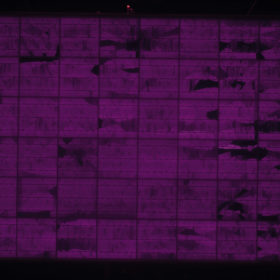
Whether caused by improper production processes, poor treatment in transport and installation, climate conditions or any other issue, performance reducing microcracks are a major source of stress for PV developers and project owners. Now, an EU funded research project has found that a different type of stress could provide a solution, and even “heal” some existing cracks.
1: What a difference a year (in PV) makes
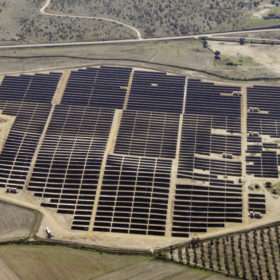
Dire warnings about the state of our planet characterized 2018, with a plethora of reports released calling for climate action. The solar PV, and storage, industries have a leading role to play in the required energy transition: this bold quest was taken on by many over the last year, with technological progress and expansion seen upstream and downstream, and in policy, globally. Like last year, China took all by surprise, this time, however, in the form of its abrupt 31/5 policy change, the effects of which are still being felt in almost every corner of every market. And of course, Tesla grabbed the headlines – also for rather more unsavory reasons than in 2017. In this first out of a total of four posts pv magazine reflects on Q1.

Pennsylvania’s largest solar farm to power Philly government buildings
The 70 MW Adams solar farm will be by far the largest in the state when completed in 2020 and its electricity will power 22% of the demand from Philadelphia government buildings.
Australia: Federal Energy Minister sends rooftop PV safety warning
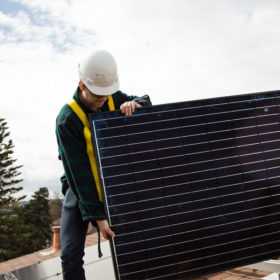
At the end of another year or record rooftop PV installations, national Minister for Energy Angus Taylor warns Australian state governments to “consider the potential risks” of rapid solar industry growth.
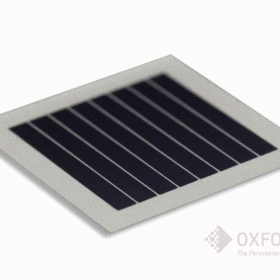
Tandem cells at 28%
UK headquartered Oxford PV has set a new world efficiency record for its perovskite/silicon tandem solar cells.

US researchers grappling with graphene
A team of scientists at University of California, Riverside investigating the ‘unusual’ electronic behavior of pristine graphene has found that, in certain configurations, the material can generate a current without the need for a p-n junction, leading to the possibility of extremely thin, lightweight solar devices.
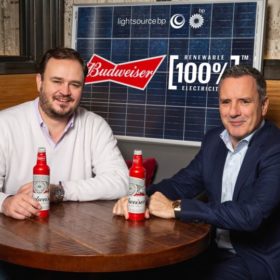
AB InBev UK inks unsubsidized 100 MW solar PPA
The brewery giant has joined the band of corporations cutting their carbon emissions with corporate PPAs. The deal now is the UK’s largest of this type. But elsewhere in Europe unsubsidized solar PPAs are also taking hold, indicating a striving industry despite a turn away from FIT schemes.
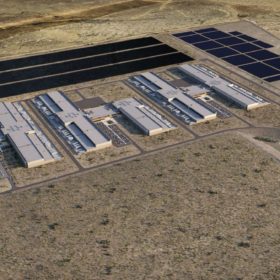
United States: 2.8 GW of corporate solar deals in 2018
According to a new report from Rocky Mountain Institute, corporations have signed contracts for 2.8 GW of solar in the United States this year, a gigawatt more than the deals signed in all previous years combined.
