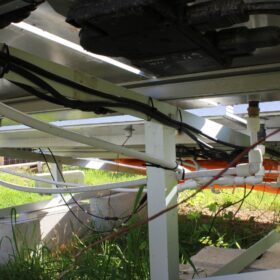
PV module cooling tech based on water chamber
Scientists in Malta have created an after-market cooling solution that can be fitted to existing standard PV modules. The system is based on a water chamber placed at the backside of the module and can reportedly provide a net electrical energy gain of more than 9%.

Tender opens for PV-driven pump irrigation projects in the Philippines
The National Irrigation Administration of the Philippines has launched a procurement project with a budget of around PHP 97 million ($1.66 million) for the development of two solar power-driven pump irrigation projects on the Loboc river.

Eswatini kicks off minigrid tender
The Eswatini Energy Regulatory Authority (ESERA) is searching for private minigrid developers to design, construct, operate and maintain a minigrid system that will electrify a remote community in the south of the country. The closing date for applications is August 23.

Japan’s 20th solar auction concludes with average final price of $0.029/kWh
Japan has allocated 93 MW of PV capacity in its latest procurement exercise. The lowest bid for a 1.9 MW solar project came in at JPY 4.5 ($0.029)/kWh, while the average final price was JPY 6.8/kWh.
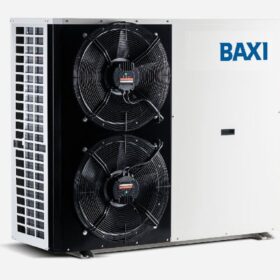
Baxi launches mid-temperature heat pump for commercial buildings
The UK-based manufacturer said its new air-to-water Auriga heat pump features a seasonal coefficient of performance (SCOP) ranging from 3.33 to 4.83 and noise levels of 43 dBA to 65 dBA.
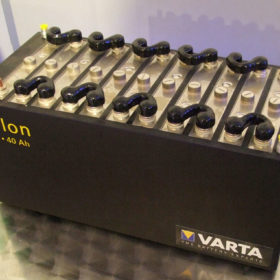
Sinovoltaics updates battery energy storage system financial stability ranking
The latest financial stability report ranks Tesla, Kung Long Batteries, Mustang Battery, Eaton, and Hyundai Electric in the top five spots out of 55 manufacturers.
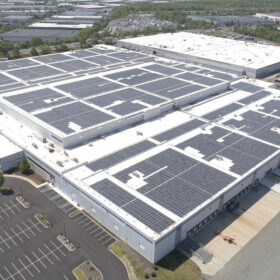
Data center power loads threaten corporate net-zero goals
The world’s reliance on the internet, the shift to cloud computing, and the emergence of AI all fuel demand for more and more data centers. The International Energy Agency (IEA) projects that by 2026, data centers will consume more than 800 TWh annually, more than double their consumption in 2022. Tristan Rayner takes a look at the role that renewable generation plays in powering a digital world.
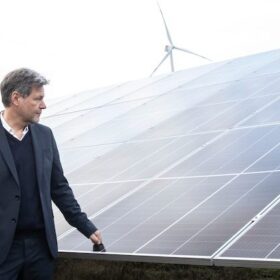
The Hydrogen Stream: German government adopts import strategy to create investment security
A new hydrogen import strategy is expected to make Germany better prepared for increasing demand in the medium and long term. The Netherlands, meanwhile, saw its hydrogen market grow considerably across supply and demand between October and April.
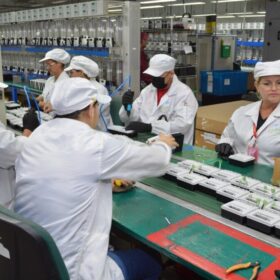
Livoltek commissions inverter factory in Brazil
The company opened an inverter factory in the Manaus Free Trade Zone with a capacity of 1.8 GW, or 300,000 units per year. In the second phase, it plans to bring in the production of hybrid inverters and lithium batteries as well as chargers for electric vehicles and motors for electric boats. The company will have distribution centers in Curitiba and Fortaleza to ensure rapid delivery of equipment to the domestic market, with a minimum warranty of 10 years.

Portugal launches first auction for green biomethane and hydrogen
The government will auction up to 127 GWh/year of hydrogen with a maximum price of €127/MWh, and up to 150 GWh/year of biomethane with a maximum price of €62/MWh.
