The weekend read: China’s global power play
With all the uproar in China about the impact of the May 31“2018 Solar PV Power Generation Notice” issued by China’s National Development and Reform Commission, National Energy Administration, and Ministry of Finance, one could think that China’s government has lost faith in solar PV’s potential to contribute to the country’s historic shift from coal-fired power to clean renewable energy sources. But nothing could be further from the truth.
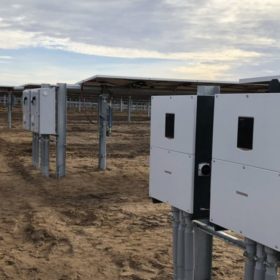
US: Mixed impact of proposed Section 301 tariffs on inverter makers
GTM Research says the 10% tariffs that the Trump Administration is calling for are “significant”, and some companies and sectors will be affected more than others.
Module prices continue to fall
The latest reports from analysts at PV InfoLink and EnergyTrend show prices continuing to fall, though at a slower rate than was immediately seen after China’s 31/5 announcements. High efficiency mono-PERC modules fell to around US$0.32/W, while multicrystalline module prices held steady at between $0.26 and $0.29/W.
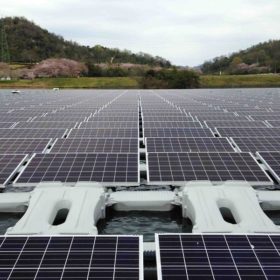
South Korea to set new PV construction rules after landslide destroys array
The South Korean government has revealed plans to introduce new environmental guidelines and rules on where PV projects can be built, following a public outcry after a landslide smashed into an operational solar array south of the city of Daegu.

Solar glass: European PV module manufacturers fear being “taken hostage”
Currently, new anti-dumping proceedings against solar glass makers from Malaysia are taking place in the EU. Imports of Chinese solar glass have been subject to high anti-subsidy and anti-dumping duties since 2014. The European module manufacturers fear further massive competitive disadvantages and the danger of an Interfloat monopoly in Europe.
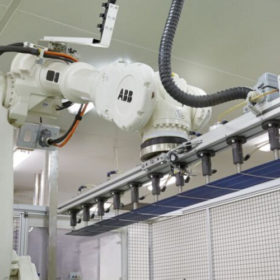
Risen to build 5 GW module line in Zhejiang Province, China
Chinese PV cell and module manufacturer, Risen Energy announced yesterday that it has started the construction of a new module factory in Zhejiang province in eastern China. The factory is set to have a total capacity of 5 GW.
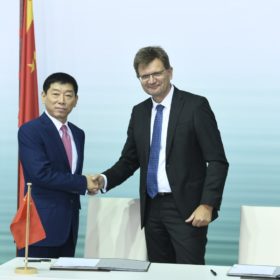
BMW, Tesla open factories in China, driving EV market in spite of trade-dispute
In the wake of the U.S.-China trade dispute, the Chinese government has loosened its policy on ownership caps for factory sites for foreign car brands. Previously, car companies could only retain 50% of the ownership of a factory and had to set up a joint venture with a Chinese partner. By setting up shop in China, Tesla can avoid import duties on its cars, to cater to a broader customer base.
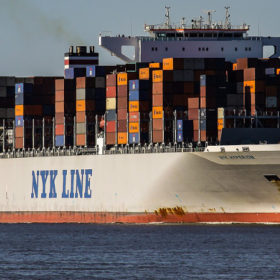
US proposes 10% tariffs on inverters, AC modules, non-lithium batteries from China
As the trade war escalates, PV inverters, solar panels with attached microinverters and battery storage products other than those which utilize lithium-ion chemistry, may be the latest victims.
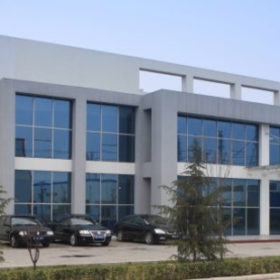
JA Solar secures $68 million loan for equipment at 1.5 GW Vietnam wafer fab
Chinese manufacturer, JA Solar has secured a long-term buyer credit loan facility worth US$68.4 million for the procurement of equipment for its 1.5 GW wafer facility in Vietnam.
Solar corporate funding rises 15% YoY with $5.3 billion in H1 2018 – Mercom
Despite the uncertainty caused by U.S. solar panel import tariffs, deteriorating trade relations between the U.S. and China, and the looming consequences of China’s PV policy change, the solar industry saw a 15% YoY increase in corporate funding in the first half of 2018, on the back of a Q2 rebound, finds the latest Mercom Capital report.
