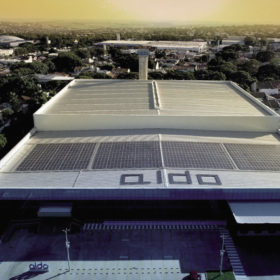
Brazil heads for a solar installation rush
Brazil’s deployment of distributed generation PV (below 5 MWp) has exploded from a total capacity of 500 MW in 2018 to 7 GW by September of this year. The trigger for this increase, alongside rocketing electricity prices, was the 2019 proposal of law 5829, writes IHS Markit analyst Angel Antonio Cancino. The proposal is expected to pass into law at the end of this year and will gradually introduce grid-access charges for residential and commercial system owners.

EDF builds 100 MW/100 MWh solar-plus-storage project to power world’s largest remote city
The French energy giant will build the facility near Iquitos, the largest metropolis in the Peruvian Amazon.
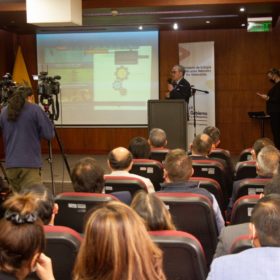
Ecuador launches 500 MW renewables tender
The procurement exercise will be open to hydroelectric, wind, solar and biomass projects.

Brazil and Chile could lead charge to affordable green hydrogen
Falling electrolyzer costs driven by economies of scale, increased automation of production and the modularity of such systems will bring green hydrogen to a competitive cost with its fossil-fuel powered variants in a dozen markets by 2030, according to WoodMac.

Brazil introduces new rules for hybrid power plants
The new provisions define clearly what hybrid power plants are and what kind of grid tariffs they should pay. The regulation may be particularly favorable for hybrid wind-solar plants, especially in North-Eastern Brazil, where the grid is not strong enough to support further renewable energy development.

Brazil has imported 7.5 GW of solar modules so far this year
According to a new report from Brazilian consultancy Greener, the Latin American country imported 1,049 MW of solar panels in October alone.
Output verified: monitoring of the PV plant from the ground up
Suppliers are updating SCADA and monitoring platforms to provide new levels of data acquisition and analytics to provide PV project owners and operators with unparalleled insights into design, performance and O&M. Join this pv magazine Webinar, in partnership with TrinaTracker, to learn more about these developments with a leading PV solution provider. The webinar will see the global launch of the Trina Smart Cloud, including a demo of the platform drawing on real-world data from Trina-supplied projects in the field.
Diseño Electrónico en Inversores Residenciales para Módulos Fotovoltaicos de Alta Potencia +500W
La tecnología de módulos fotovoltaicos avanza rápidamente y los inversores fotovoltaicos siguen la tendencia de la mano. En esta presentación explicaremos el tema de compatibilidad en Inversores Residenciales GoodWe con módulos de potencias +500W, así como diferentes soluciones innovadoras y de fácil instalación para el mercado fotovoltaico en México.
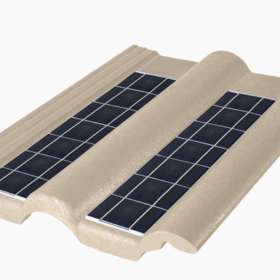
New solar tile from Brazil
Developed by Brazilian construction materials provider Eternit S.A., the tile has a nominal power of 9.1 W and an average monthly generation capacity of 1.15 kWh. It is available in five colors and two versions with a classic or reinforced design.

Chile wants to export solar energy to Asia via 15,000km submarine cable
The Antípodas project was announced by the Chilean government last week. It is aimed at taking advantage of the huge solar potential of the Atacama Desert, which is the world’s region with the highest solar radiation.
