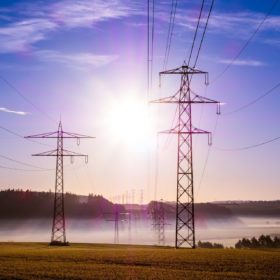
IRENA predicts LCOE of solar will drop to $0.01-0.05 by mid century
The latest study published by the International Renewable Energy Agency says the average solar electricity cost of $0.085/kWh produced by projects commissioned last year is set to fall to $0.048 next year, and $0.02-0.08 by 2030.
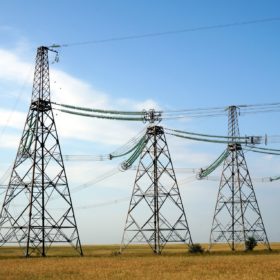
Solar electricity can retail for $0.027-0.036/KWh as renewables close in on global grid parity
The latest figures released by BloombergNEF show new solar and onshore wind power plants have reached parity with average wholesale prices in California, China and parts of Europe. The technologies are winning the race to be the cheapest sources of new generation for two-thirds of the world’s population.
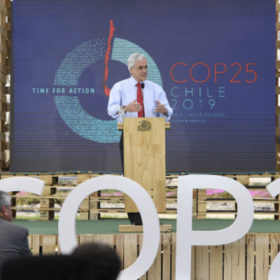
COP, climate, class struggle?
The World Climate Summit in Santiago de Chile, set to be held in just a few weeks, has just been cancelled. Against a background of social protests in the country, concerns have recently grown as to whether logistics and security could be guaranteed for the event. Nevertheless, social problems and environmental protection must not be played off against each other: Both are closely linked to the economic paradigms of recent decades.

PV performance projections for the 21st century
A study has divided the world into 12 climate zones on the basis of the Köppen–Geiger classification map. The paper confirmed Chile’s Atacama region has the world’s highest solar radiation but also showed the region with the highest performance ratio for PV systems was near Moscow.

The weekend read: The specter of PV protectionism
Trade tariffs are spreading across the global PV industry. The United States has been especially active with its sandwich of old antidumping and countervailing duties coupled with new Section 201, 232 and 301 duties. Some of these are part of the Sino-U.S. trade dispute; others impact not only Chinese producers, but manufacturers around the world. So, what will be the impact of this new era of PV protectionism on the solar sector?
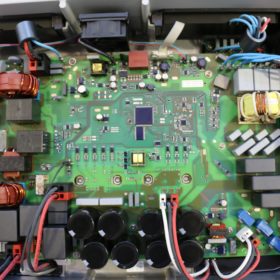
The weekend read: Inverter issues
PVEL’s inaugural inverter scorecard is showing up the need for much more scrutiny on the reliability of inverters. But are developers and EPCs even paying attention?

Mini series: LatAm’s early PV leader, with enormous DG potential
The early development of PV projects in Latin America was spearheaded by one country: Chile. And while there remain prospects for large-scale project development, its distributed generation segment has the potential for enormous growth, says Marcela Puntí Martín, the general manager of the Chilean Solar Energy Association (ACESOL).
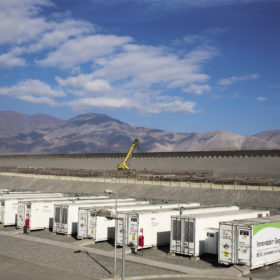
The weekend read: Chile taps ‘white gold’ for security of energy supply
Chile is home to a massive 10.3 million tons of lithium reserves, most of which is found in the Atacama Desert in the northern part of the country. With some of the highest solar irradiation levels on Earth, this region also boasts the perfect conditions for generating solar power. Developments in the photovoltaic market, alongside implementation of more efficient energy storage systems, are positioning Chile as a regional leader in this field. So what does the future hold for battery energy storage systems (BESS) in Chile, and what obstacles lie in their way?
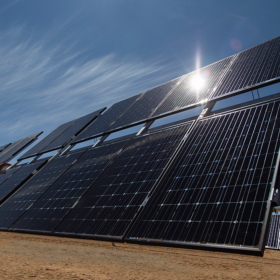
Power deal signed for 230 MW solar plant in Chile
Atlas Renewable Energies has agreed to provide the Chilean unit of French energy giant Engie with 550 GWh annually for 15 years. The electricity will be supplied by the Sol del Desierto project Atlas is building in northern Chile.
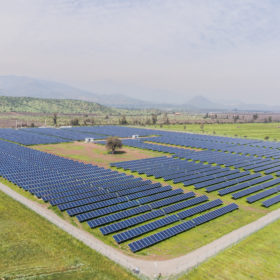
Italian developer Limes moves into Chilean market
With a 300 MW pipeline in the country that could potentially double in the near future, the Milanese business says Chile’s carbon-neutral ambition will maintain a strong market for solar.
