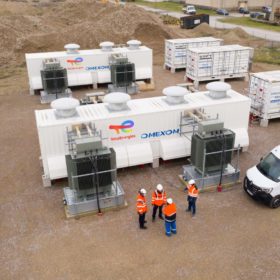
TotalEnergies switches on 61 MW/61 MWh battery in France
The system consists of 27 storage containers with a capacity of 2.5 MWh each, designed and assembled by TotalEnergies unit Saft.
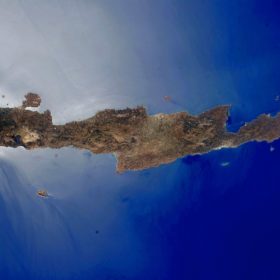
EU approves renewables incentives for Greek islands
The European Commission has given its seal of approval to a government program which will drive an estimated 264 MW of solar and wind capacity across 47 islands while they await connection to the mainland grid.
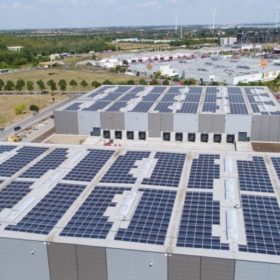
New EU state-aid guidelines exempt solar up to 1 MW from tendering process
In addition, the new CEEAG guidelines allow government and national authorities to hold tenders for specific technology applications, such as floating solar and agrivoltaics.
Latvian plan to exempt big energy consumers from renewables surcharge approved by EU
The Baltic state has offered energy-intensive, international-facing industries up to an 85% discount on a surcharge levied on electricity consumers since May 2017 and made the scheme wider ranging this year, in a move approved by the European Commission.
Another big battery ready to join Dutch grid
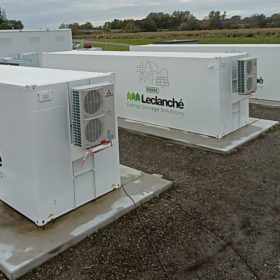
Swiss battery manufacturer Leclanche and Dutch energy storage specialist S4 Energy have completed work on a 10 MW hybrid energy storage system located in Heerhugowaard, North Holland. The system will serve the frequency containment reserve market as the Dutch grid continues to face serious congestion issues.
The Hydrogen Stream: Storing hydrogen in offshore caverns
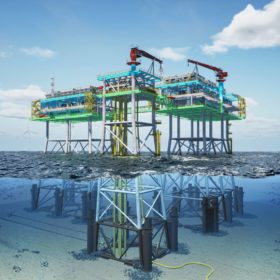
Engie unit Tractebel is developing the technology. Elsewhere, the European Commission has approved, under state aid rules, a €900 million German scheme to support investment in green hydrogen production for EU consumption and Spanish company H2B2 Electrolysis Technologies is developing a project to generate up to 1,000kg per day of electrolytic hydrogen in California.
France announces results of commercial and industrial PV tender
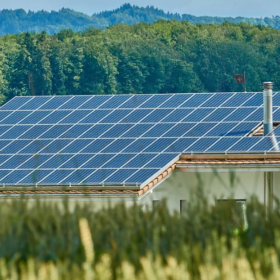
The French government has allocated 324 MW in its latest procurement exercise. Average prices were €76.66/MWh for large power plants (500 kWp-8 MWp) and €87.25/MWh for projects below 500 kWp.
Solar for railways
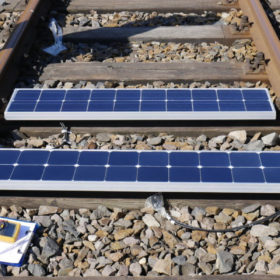
Germany’s TÜV Rheinland is investigating how photovoltaics could be used for powering railway traction networks in a 14-month research project.
Understanding and Mitigating the Dangers Posed by Hail and Wind
In this pv magazine Webinar, we will take a different approach to the conversation of hail and wind mitigation, sitting down with two of the most knowledgeable quality professionals in the industry, starting with a deep dive on the evolving nature of hail risk, before examining what steps can be taken in design, build and operation of the plants to mitigate risks and future proof projects in hail-prone geographies.
Europe faces ‘new era of energy dependency’
The EU has been pouring money into European battery manufacturing and recycling projects but has, as yet, been unable to address the critical question of raw materials, according to analyst WoodMac.
