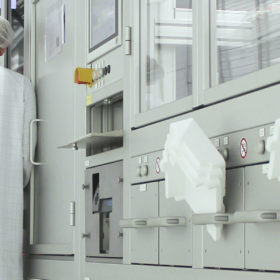
Finnish solar manufacturer finally starts production in Vilnius
Valoe completed the 15-month purchase process of a 60 MW cell production line from Solitek in the spring and installed interdigitated back-contact production equipment. It hopes to begin deliveries in the next quarter.

India ranked the world’s most attractive PV market by Ernst & Young
The latest edition of the accountant’s renewables attractiveness index has placed the nation in top spot for photovoltaics, helping it to fourth spot for overall clean energy investment. Mexico has been hammered by the government’s attitude to clean power and France has also slipped, four places.

Open-source method to build flexible floating PV systems
A U.S.-Finnish research team has developed an after-market method to adapt commercially available flexible thin-film solar panels for applications in floating PV projects. The special panel design can be applied to three types of floating materials, including neoprene, mincell, and polyethylene.
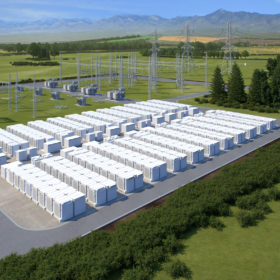
Finnish brewery to deploy 20 MW battery and virtual power plant
A number of partners are involved in a project which aims to bring down the energy consumption and carbon emissions of a beer company site using smart algorithms.

European islands make decarbonization pledges
Often dependent on fuel imports from the mainland and frequently powered by fossil fuels, islands have taken center stage at an online forum which builds on a political process kicked-off by Croatia’s presidency of the European Council.
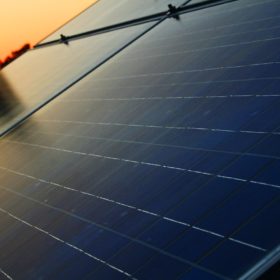
Major economies should divert fossil fuel Covid-recovery cash to clean energy before it’s too late
A report by Finnish company Wärtsilä has estimated the potential impact if every dollar committed to a non-renewables energy sector recovery was instead funneled to clean power.
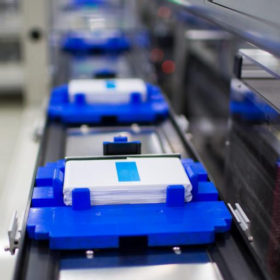
National lithium-ion battery supply chains ranked
Analysts at Bloomberg New Energy Finance have quantified the influence of markets around the world. The ranking supplies a snapshot of 25 countries and also offers a five-year outlook.

How long will the lithium supply last?
Researchers have sounded the alarm. If no serious efforts are made on second-life battery use, recycling and vehicle-to-grid applications, decarbonization efforts may hit the buffers a lot sooner than expected.
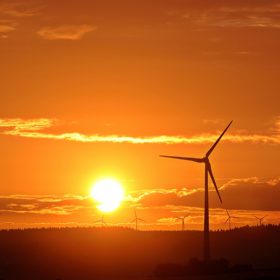
Wider wind-solar complementarity would mean less need for storage
A study from the Lappeenranta University of Technology states a deeper complementarity between solar and wind generation may favor renewables deployment reducing the need for stronger developments in storage technology. Combining solar with wind more widely could also reduce the need for ramping and improve the reliability of energy supply, say the researchers.
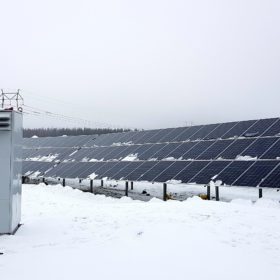
Finnish industrial park gets 12 MW smart grid with central inverters
Inverter manufacturer Fimer provided its PVS980-58 central inverter solution for the project, which will derive 35% of its energy from solar PV.
