
Laser-enhanced contact optimization improves TOPCon solar cell performance by 0.6%
Scientists in Germany have improved the efficiency of an industrial TOPCon solar cell from 23.8% to 24.1% by using laser-enhanced contact optimization as a post-firing treatment.
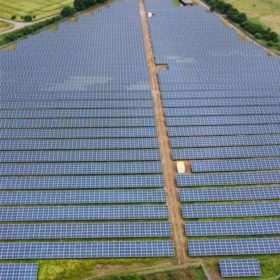
Germany added 535 MW of PV in July
Germany deployed 4.3 GW of PV in the first seven months of the year, from 3.2 GW a year earlier.

Enphase acquires German IoT specialist GreenCom Networks
Enphase is now waiting for final approval from the EU authorities and expects to finalize its plans to buy GreenCom Networks in the fourth quarter.
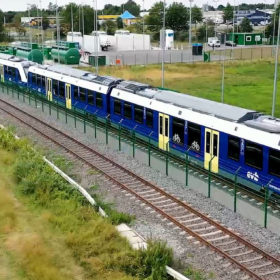
The Hydrogen Stream: Germany launches world’s first operating hydrogen trains
Germany has launched the world’s first operational hydrogen trains and US researchers have presented a novel design for a tubular PEM fuel cell. ABB and Hydrogen Optimized, meanwhile, have expanded their strategic ties and Slovakia has moved forward with a major gas-blending pilot project.

Is the Canada-Germany ‘hydrogen deal’ overly ambitious?
The Canada-Germany Hydrogen Alliance is part of a wider deal that includes batteries and raw materials. Many details remain unclear, but the 2025 target for first deliveries is ambitious, says Paul Martin, the founder of the Hydrogen Science Coalition.
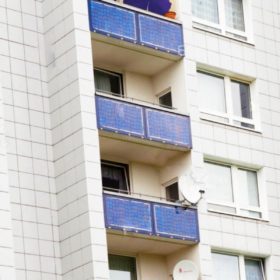
German state supports balcony solar power generation via rebate program
The government of Mecklenburg-Vorpommern has allocated €10 million ($9.93 million) to support the deployment of balcony solar modules with a power output of up to 600 W.
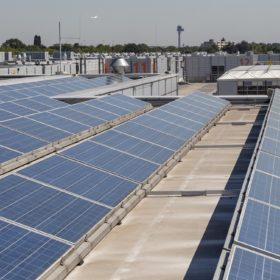
Germany concludes fourth rooftop PV tender with average price of €0.0884/kWh
The German authorities reviewed bids with a total capacity of 767 MW and selected projects totaling 201 MW. The final prices ranged between €0.0820 ($0.0813)/kWh and €0.0891/kWh. The final average price was €0.084.
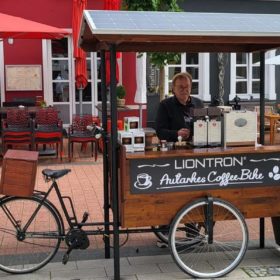
Solar-powered coffee bikes from Germany
Germany’s Liontron said it can prepare 300 cups of coffee per day from the PV modules and storage tech on its bicycles for beverage vendors. This means its mobile coffee shops can operate without grid connections.
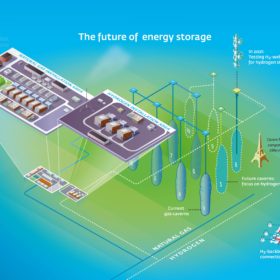
The Hydrogen Stream: Bilfinger, Gasunie to commission first hydrogen deep underground storage in 2026
Gasunie will establish a total storage capacity of approximately 26 million kilograms of hydrogen, with the first storage facility to be operational by 2026. Porsche Engineering has revealed its findings on the potential of hydrogen combustion engines, while hydrogen plans advanced in Australia and Portugal.
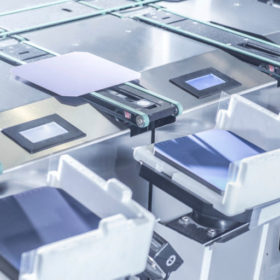
Meyer Burger ramps up solar panel plans
Switzerland’s Meyer Burger is accelerating the expansion of its solar panel production capacity, following the extension of the US solar tax credit for PV manufacturers and an order from developer DE Shaw for 3.75 GW of US-made heterojunction modules.
