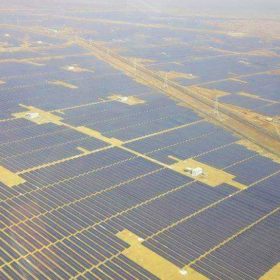
AC Energy, UPC Solar set up new Asia-Pacific joint venture
Philippines-based AC Energy will work with UPC Solar Asia Pacific – the solar energy unit of Hong Kong-headquartered UPC Renewables – to build more than 1 GW of solar in the coming years, with an initial focus on Asian markets such as India, South Korea and Taiwan.

Who has won contract for Indonesia’s controversial floating PV project?
The government was forced to hold a tender for the 200 MW Cirata Dam scheme after originally awarding the deal to UAE developer Masdar. With August 19 named as the date to announce the auction results, nobody is any the wiser as yet.
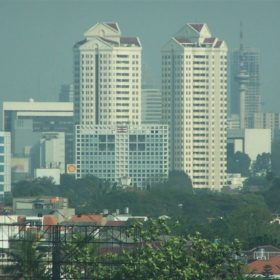
Indonesia’s vast rooftop potential
The nation’s roofs could host up to 655 GWp of solar generation capacity a recent solar mapping exercise found. But a wider understanding of the benefits of solar, combined with incentives, would be required to unlock a potentially transformative energy development.
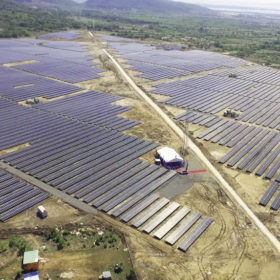
India’s renewable power generation cost the lowest in Asia Pacific
The cost of solar power generation in India has fallen to half the level seen in many other markets in the region due to extensive solar resource, market scale and competition.

‘Investment in nickel production needs to happen now’
Rather than helping electric vehicle take-up by driving down costs to parity with traditional engines, the low price of nickel at the moment is deterring investors and could cause a supply shortage that holds back electromobility in a few years’ time.
Renewables generation cheaper than coal for many power companies – but not yet for Eskom
An investor tool examining the coal fleets of major global power companies has offered up analysis which flies in the face of arguments solar and wind generation could help turn around the debt-saddled South African utility.
Cost of developing renewables in Southeast Asia put through new mapping tool
Using an application based on resource data and country-specific techno-economic inputs, a report has analyzed the costs of developing utility scale renewables in Southeast Asia and found abundant, cost-competitive potential.

Public consultation opens for 11 GW renewables hub in Australia
The Western Australian Environmental Protection Authority is seeking public input on the massive Asian Renewable Energy Hub proposed for the country’s Pilbara region.
PV+storage opportunity looms in Asia-Pacific region: WoodMac
Solar-plus-storage could be competitive against gas peaking power plants in Australia within the next five years, as the average solar-plus-storage LCOE across the Asia-Pacific region is set to fall from $133/MWh this year to $101/MWh by 2023, according to a newly released research report.
Storage preferred to net metering in Indonesia as new rules prove ineffective
According to solar body the PPLSA, around 300 PV system owners have already gone off-grid as the tariff granted for surplus power under net metering was not attractive enough. Several barriers are preventing net metering taking hold, including an obligation to either use locally made equipment or pay more to re-certify imported modules and inverters.
