Covid-19 weekly briefing: Evidence abounds of renewable energy gains at the expense of fossil fuels as the clamor for a green recovery rises
Portugal set a new coal-free record because of the pandemic as Belgium and Israel moved to help the renewables industry. But there was grim news in Mexico and Turkey, and Bangladeshi clean energy firms have appealed for more assistance.
Covid-19 puts brake on Turkey’s solar sector
The energy regulator has suspended part of the licensing process for net metering applications, bringing the country’s PV sector to a halt.

Covid-19 weekly briefing: Merchant solar developers could seek shelter in return to subsidies and PPAs are being revisited, but at least the Irish are coping with lockdown measures
The unfolding effects of the Covid-19 crisis, and fears of a possible second wave, have split analysts trying to guess how the unsubsidized renewables market will emerge as slumping demand continued to distort power markets. pv magazine rounds up the week’s coronavirus developments.
Turkish solar market changing shape
According to the latest figures from the Turkish grid operator, 109 MW of new solar was added in the first quarter, most of it net-metered rooftop systems. The troubled 1 GW national tender originally planned in January 2019, however, has been postponed for a second time, with the government stating the Covid-19 crisis will cause the exercise to be staged next year.
Turkey sets new rules for solar module imports
The new regulations state that import duties on solar modules will now be calculated per kilogram rather than by square meter, as they were under the old regulations. This could favor Turkish manufacturers, as high-efficiency modules are generally now heavier than they were a few years ago. Under the previous rules, PV panel imports enjoyed reduced value-added tax rates as yields increased and module sizes remained unchanged.
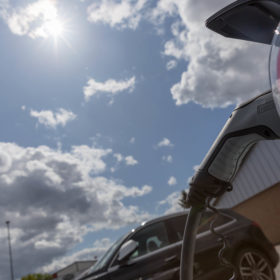
How much money can you make with PV-assisted EV charging stations?
A French-Turkish research team has created an economic model to optimize scheduling for solar-powered EV charging units. The proposed model suggests that such projects might be more profitable today than at the end of the decade, depending on a wide range of variables.

The weekend read: Turkish policy turns to the rooftop
Turkey’s stuttering economy, shifting PV policy landscape, and the fruitless YEKA tenders have undermined the country’s solar progress, even though it was considered Europe’s most promising market as recently as two years ago. But its rooftops could still bloom if new regulations that will be issued in May manage to make solar attractive to both businesses and households alike.
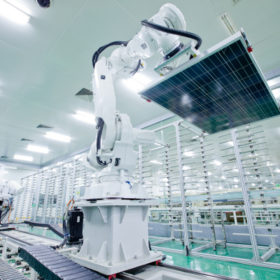
Jinko joins Covid-19 fight
The module giant today announced it will donate a million items of personal protective equipment to the European and Asian countries currently battling the spread of the novel coronavirus.

Solar glass company posts stellar figures – but acknowledges Covid-19 threat
Xinyi Solar reported record profits earlier this month, not surprisingly prompting bullish talk of extending its plans to expand production capacity this year and next. However, with PV demand in Europe key to its returns, the company has accepted the coronavirus epidemic may have an impact this year.

Turkey introduces new provisions for energy storage
Rules published in the official journal provide certainty on how storage systems will have to be connected to the grid and who will take care of the process on behalf of governmental institutions. The regulations are expected to benefit rooftop PV and up-to-1 MW ‘unlicensed’ projects
