
New electrolyte boosts lithium-air batteries
Scientists in the UK reported a breakthrough in lithium-oxygen batteries, achieved by experimenting with different electrolyte compositions. Working with ionic liquids, they were able to tweak the electrolyte recipe to minimize unwanted reactions during battery cycling, and greatly improve on both performance and stability.

Botswana tops list of world’s ‘super abundant’ renewables nations
A Carbon Tracker report estimates 60% of the world’s technical solar potential – enough to produce 3.5 exawatt-hours of clean electricity per year – would already be cheaper than fossil fuel if installed. Of the remainder, most would be in sub-Saharan Africa, a region which has the potential to be a global solar and wind powerhouse.
Cracking the case for solid state batteries
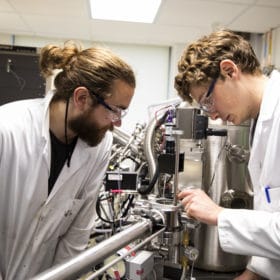
Scientists in the UK used the latest imaging techniques to visualize and understand the process of dendrite formation and electrolyte cracking in an all solid-state battery. With new insight into the mechanisms by which these cracks form and ultimately lead to battery failure, the results could help direct the focus of future research into solid-state battery technology.

Enabling aluminum in batteries
Scientists in South Korea and the UK demonstrated a new cathode material for an aluminum-ion battery, which achieved impressive results in both specific capacity and cycle life. The material allows researchers to better take advantage of aluminum’s energy storage characteristics, and produce batteries with much higher capacity.

How to attract bees into solar parks
According to new research from the U.K., solar parks may help maintain natural habitats for pollinators that could be, otherwise, destroyed by intensive farming. The study also highlights that biodiversity could be both positively and negatively affected by solar parks and associated land-use change.
U.K. takes another tiny step to smart energy system
Energy regulator Ofgem has announced it aims to bring in market-wide half-hourly settlement across the retail electricity market – from October 2025. The long timescale reflects a sluggish attitude at an inconsistent regulator which appears to be planning an unpredictable route to net zero.
Submarine cable to connect 10.5 GW wind-solar complex in Morocco to the UK grid
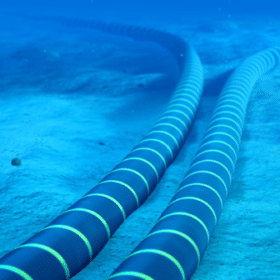
UK-based Xlinks is planning to build 10.5 GW of wind and solar in Morocco and sell the power generated by the huge plant in the UK. This should be made possible by a 3,800 km high voltage direct current (HVDC) transmission line that would be connected to locations in Wales and Devon. The company’s CEO, Simon Morrish, spoke with pv magazine about the ambitious project, and on how it should become feasible.

India’s solar imports dipped 75% in ten months
Covid-19 disruption has been cited as the chief culprit as imports from China, Thailand and Vietnam slumped from April to January, but safeguarding duty also appears to have had an impact, with unaffected imports from nations such as Myanmar, Chad and Russia on the rise and Malaysian trade keeping steady.

British company to produce solid-state lithium-sulfur products this year
Oxfordshire-based Oxis Energy says it will produce the less flammable devices sought by the aviation industry using the same manufacturing processes as those used to make lithium-ion and conventional-lithium-sulfur products.
Out with the old… A guide to successful inverter replacement
For a number of reasons, replacing all of the inverters in an existing PV project is an increasingly common strategy among PV project owners, particularly for projects that have been in operation longer than five years. This revamping can bring advantages in terms of higher energy yields and lower operations costs, but it is also a complex process with potentially broad implications. In this pv magazine Webinar, produced in partnership with Sungrow, we’ll shine a spotlight on this revamping process, offering insight from successfully completed projects.
