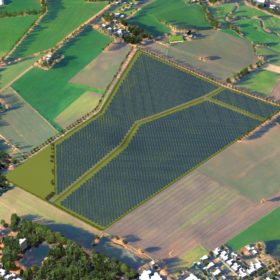
Powerfield abandons plans to build 300 MW module factory in the Netherlands
The Dutch company said its project became unviable due to rapidly declining module prices. For its planned solar parks in the Netherlands, however, the company will rely on modules provided by the Dutch panel maker Energyra.
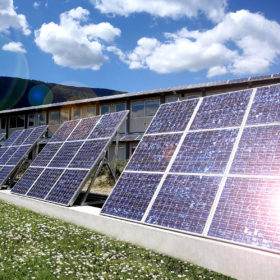
French administration considers building solar plants on its own premises
In the recent work group organized by the French government along with all stakeholders of France’s solar industry, delivering more volumes to the market was highlighted as a number one priority.
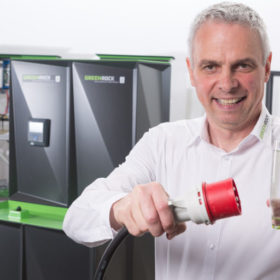
Blue Sky Energy offers saltwater-based residential solar storage
Interview: Saltwater technology is similar to that of lead battery storage, but only natural materials are used. Helmut Mayer, Managing Director of Blue Sky Energy, explains how this compares to lithium-ion, which currently dominates the residential PV sector.
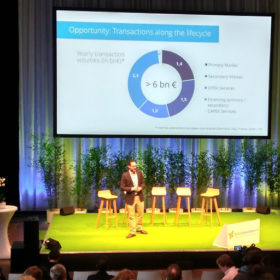
Ecosummit Berlin Round Up: software solutions for the solar industry
The 2018 Ecosummit Berlin, a EU cleantech startup platform, focussed on smart green energy and mobility. Of the 99 speakers, 69 were startups presenting innovative solutions to a changing energy economy, catering to the needs of end-customers, developers and utilities alike.
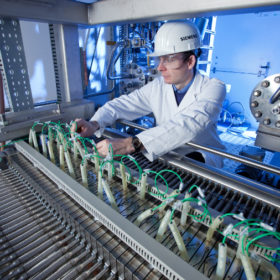
Report calls on UK Government to embrace power to gas
A new report published by the Institution of Mechanical Engineers outlines the potential for power to gas as a technology to support the addition of renewable energy capacity to the grid, and as a storage alternative with advantages over much talked about lithium-ion technology.
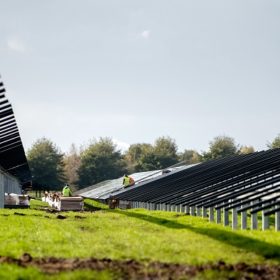
Netherlands awards 1.9 GW of PV in SDE+ 2017 autumn round
Solar was once again the source with the largest share in the latest round of the SDE+ program for large-scale renewable energy projects. Around 1.3 GW of pre-qualified solar projects, however, has been rejected. Among the selected projects is a 109 MW solar park planned for the province of Groningen.

SMA confirms guidance for 2018
In the first quarter, SMA saw its sales increase slightly, while EBITDA improved compared to the same period of the previous year. Net profit, however, was significantly below the level of the first quarter of 2017.
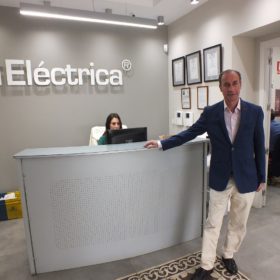
Spain’s Unieléctrica enters solar business with 50 MW project
The Spanish power trader is planning to build its first large-scale solar power plant in the region of Murcia. The facility is intended for self-consumption and to be financed with own funds.
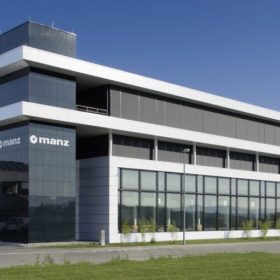
Manz posts 81% revenue growth in first quarter
Sales were particularly strong in the solar segment. Despite the considerable improvement, the German PV equipment provider still remains in debt.
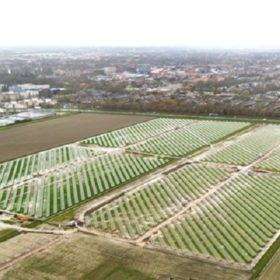
Dutch government to improve SDE+ program for sub-1 MW PV projects
The Netherlands government intends to create two more ad hoc categories for solar projects not exceeding 1 MW, and to grant them a higher level of incentive compared to those of big solar parks. The change is due the success of larger projects in previous SDE+ rounds.
