
ABB microgrid control system poised for UK university campus deployment
Swiss power electronics firm to install its state-of-the-art microgrid solution at the University of Chester’s new Energy Centre, in what will be the first energy management system of its kind in the U.K.
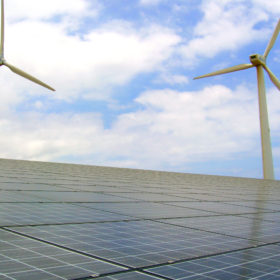
Spain’s upcoming 3 GW renewable energy auction expected to be held on July 18
Only solar and wind power projects will compete in the auction. Wind, however, will probably have the largest share as the bidding rules remain unchanged.
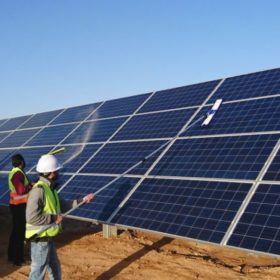
Norwegian researchers develop new solar panel cleaning robot
The new robot may make manual cleaning of large-scale solar PV plants a thing of the past.
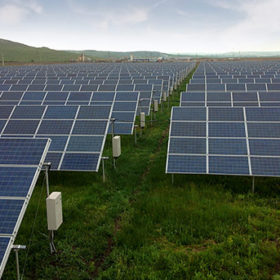
Recom acquires French module maker Sillia
The French manufacturer filed for insolvency in March. The Tribunal of Commerce of Lyon had received two bids for the acquisition of the company.

Africa solar: competitive tenders or negotiated deals?
Given increasing activity in the solar PV sector in Africa, a critical question has emerged: should African states aim for competitive tenders or negotiated deals? This question was among those discussed at the Africa Energy Forum (AEF) that took place last week in Copenhagen, Denmark.
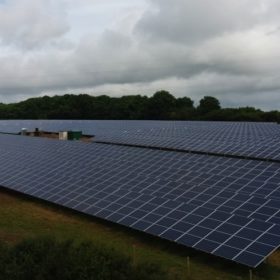
NextEnergy Solar Fund heralds arrival of subsidy-free UK solar
Amid falling costs across the industry, Guernsey-based investment company NextEnergy Solar Fund is planning to develop four solar plants totaling 59.8 MW without the U.K. government’s financial backing.
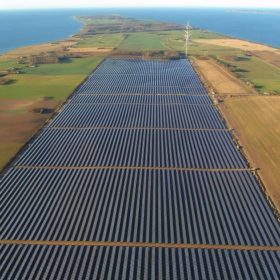
German cabinet issues decree for cross-border wind/solar auctions
Around 300 MW of PV and wind power plants will be selected in the future cross-border auctions, in which German developers will have to deal with competitors from other EU neighbor countries. In the pilot cross-border solar auction held last year, all selected projects were located in Denmark.
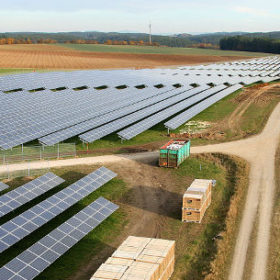
Germany’s auction for large-scale solar concludes with average price of €0.0566/kWh
The German government selected 32 project proposals with a combined capacity of 201 MW in the auction. For the first time, it was possible to submit proposals for large-scale PV projects on agricultural land in the regions of Bavaria and Baden-Württemberg. This has considerably lowered the biddings.

Helsinki Airport goes solar
A new rooftop PV system will help to lower the airport´s carbon footprint. Finavia plans to reduce the emissions on all of the company’s 21 airports to zero by 2020. The Helsinki airport will meet this goal by this year, expects the Finnish company.

pv magazine at Intersolar Europe: Trade disputes the norm in global PV
With Solarworld’s recent insolvency announcement, questions regarding the potential for trade disputes to affect the global solar industry have once again been brought to the fore. At Intersolar Europe 2017 in Munich, pv magazine spoke with Benjamin Attia of GTM Research about the organization’s latest research into this broad reaching topic.
