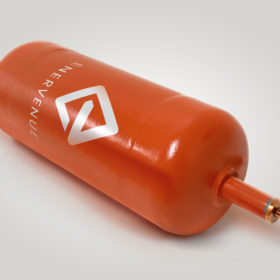
EnerVenue secures 250 MWh order for nickel-hydrogen batteries
EnerVenue has agreed to supply batteries to Green Energy Renewable Solutions for use in customized building blocks for maritime applications, construction sites, and other heavy industry projects. The agreement marks EnerVenue’s fourth major battery supply deal since it launched operations in 2020.
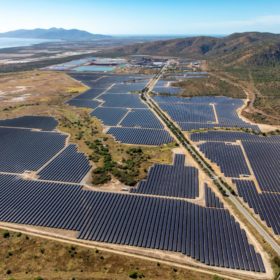
Ark Energy to build 3 GW renewable energy hub in Australia
International metals group Korea Zinc’s Australian subsidiary Ark Energy has announced it will build 3 GW of renewable energy generation in north Queensland as part of plans to produce more than 1 million tonnes of green ammonia per annum for export by 2032.

Battery manufacturing ramps up in the U.S.
Passage of the Inflation Reduction Act of 2022 has resulted in numerous battery manufacturers announcing plans to begin production in the United States, supporting the transition to clean energy as well as clean transportation.
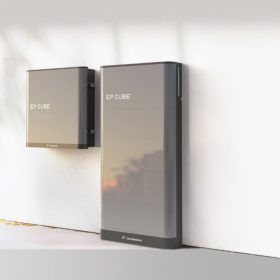
Canadian Solar presents all-in-one residential battery inverter solution
The new product is available in four versions with a storage capacity ranging from 9.9 to 19.9 kWh. The battery inverter comes with a 10-year warranty and can reportedly provide steady operation for up to 6,000 charge cycles.
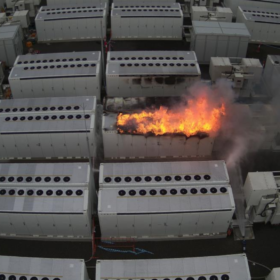
Fire at PG&E’s Tesla battery in California is now under control
A Tesla Megapack battery caught fire at PG&E’s Elkhorn large-scale battery storage facility in Monterey County, California, in the early hours of September 21. The fire was brought fully under control by the late afternoon, and its cause is under investigation.
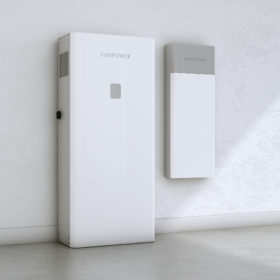
Sunpower launches two new batteries for residential applications
The two batteries have a storage capacity of 13 and 19.5 kWh, respectively. Both lithium-ion systems use LiFePO4 as the cathode material and have a round-trip efficiency of over 86%.
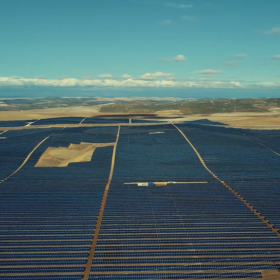
Greece approves large scale solar-battery-hydrogen project
An Inter-ministerial committee of the Greek government last week labeled a photovoltaic project, combining lithium batteries and an electrolyzer, a strategic investment meaning it can take advantage of fast licensing processes.
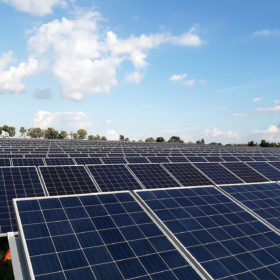
KKR, Hero Group to invest $450 million in Hero Future Energies
The investment will support Hero Future Energies in expanding its renewable energy capacity. The Indian independent power producer has a diversified portfolio of 1.6 GW of operating solar and wind projects.
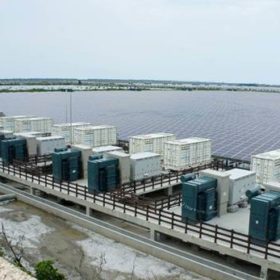
Taiwan’s largest battery comes online
United Renewable Energy has energized a 15 MW/15 MWh storage system connected to a 150 MW solar park located near Tainan.
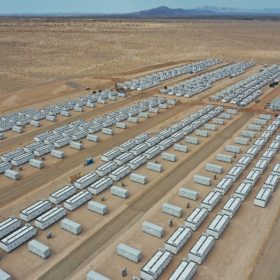
New grid-scale LFP battery from Canadian Solar
The company said it plans to quadruple its battery manufacturing capacity by the end of 2023. The 2.8 MWh lithium-ferro phosphate battery will be unveiled at the RE+ conference in California.
