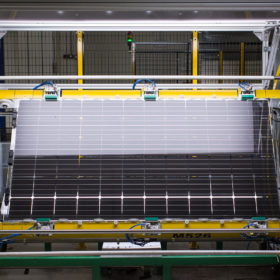
Enel kicks-off production at Italy’s heterojunction module factory
The manufacturing facility, idled a few years ago, will produce bifacial modules. The company claims panel efficiency exceeds 20.5% and the factory has an annual production capacity of around 200 MW.
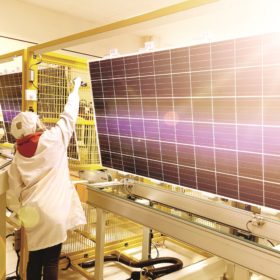
Canadian Solar wins 394 MW of solar in two private auctions in Brazil
After emerging as the recipient of most of the Brazilian government’s public allocation of generation capacity, the Canadian-Chinese manufacturer has secured a large share of projects in auctions held by power companies Copel and, probably, Cemig.

It’s official: The bifacial tariff exemption is over
The office of the U.S. Trade Representative has removed the exemption of bifacial products from Section 201 tariffs, effective October 28.

Roth: Trump administration could end bifacial tariff exemption
The U.S. Trade Representative has not responded to claims it will end the exemption from Section 201 duties. If true, the development could be a big hit for Asian PV manufacturers and an annoyance for the U.S. market – but a positive for First Solar.

A common language for bifacial PV
This week pv magazine was in Amsterdam for the sixth edition of the BifiPV workshop, where the discussion focused on the impressive achievements made by bifacial solar modules and the challenges the technology faces as it moves toward mainstream adoption.

Does slew of solar mega tenders mean Gulf nations are belatedly accepting the inevitable?
With Kuwait, Qatar and even renewables laggard Saudi Arabia following in the wake of regional clean energy pioneer the UAE, a raft of huge solar tenders is entering the Middle Eastern project pipeline. Obstacles remain to overseas project developers but significant rewards are on offer.

Solar pioneer Pierre Verlinden: The big problem is apathy
On the first day of this year’s EU PVSEC conference, veteran solar researcher Pierre J Verlinden won the Becquerel Prize for Outstanding Merits in Photovoltaics. The award recognized more than 40 years as a leading PV researcher in academia and at leading companies including Sunpower and Trina Solar. Its recipient spoke to pv magazine about what is needed from solar to stave off catastrophic climate change.
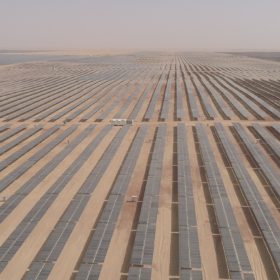
Scatec reaches commercial operation for another 112 MW of capacity
The Norwegian developer has opened plants in Ukraine and Egypt. Scatec Solar recently announced it managed to triple energy production in the last year.
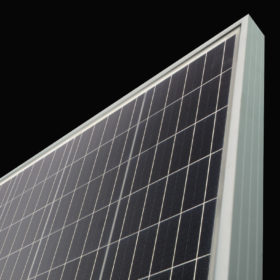
Jinko: ‘The days of mono will soon be behind us’
A spokeswoman from the Chinese manufacturer of the Swan series of double-sided solar panels says monofacial modules will soon be consigned to residential use as the price gap between them and higher-yielding bifacial products rapidly closes.
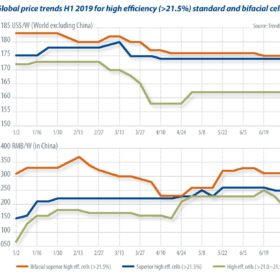
Tendency toward diversification
Looking back at the PV market in 2018, micro module technologies started maturing in development and moving on to mass production, writes TrendForce analyst Lions Shih. Modules are no longer limited to a single design as before, but rather continuing on the path toward diversification in 2019. The situation is spreading into other areas, as may be seen in the upstream silicon wafer and cell segments.
