
Covid-19 weekly round-up: Dormant MiaSole claims Covid support in the US as Indian new solar figures slumped
Plus, analyst WoodMac says a fall in the cost of power generation in Japan during the public health crisis will help drive renewables investment and the Indian government has relaxed borrowing rules for its financially crippled electric utilities.
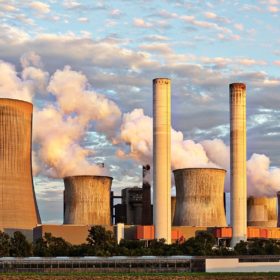
India will add just 50 GW of solar in the next five years, according to company bosses
The expected return would leave the nation woefully short of its ambitious 175 GW clean energy target, which was laid down with a 2022 deadline. Chief executives who criticized aggressive clean power auctions said they would like to see more fossil fuel facilities thrown into the mix.

Covid-19 weekly round-up: Predatory takeover fears, Ieefa takes aim at the IEA and diverse perspectives on e-mobility
Analysts appear divided on the effects the public health crisis will have on the EV market even as sales of petrol-engined SUVs soar in China. And Portugal is plowing on with its Covid-delayed national solar tender, an exercise which may help establish whether clean energy thinktank Ieefa is right to predict PV prices will continue to fall.
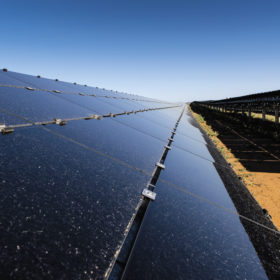
Covid-19 weekly round-up: It is still unclear how the crisis will play out on various solar segments, although one US installer says business has never been better…
Module price falls driven by the energy demand slump and Chinese oversupply may reverse at the end of the year, Germany appears immune to the Covid rooftop curse and emergency funding has been offered up to EU businesses affected by the crisis.

Covid-19 delayed 63% of India’s planned big solar in first quarter
Coronavirus-related disruption severely impacted solar installation during the first three months of the year, as the nation added only 689 MW of utility scale PV, against the 1,864 MW that was scheduled to be commissioned.
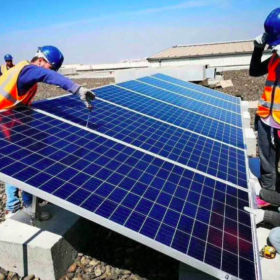
Covid-19: Revenue dip could spell trouble for Indian PV producers
Sliding electricity demand and declining commercial and industrial activity in India could prompt distribution companies to block or delay payments to solar power producers.

Optimistic solar outlook in India dimmed by Covid-19
Developers are also expected to drag their heels over project completion during the first half of the year as the safeguarding duty applied to imported Chinese and Malaysian solar products is due to expire at the end of July.

India to add 34 GW of solar through 2024
Consultancy Bridge to India has looked into its crystal ball to predict India will add 10 GW of solar capacity this year and the same next year before deployment slows to 7 GW per year in 2022 and 2023, dogged by hurdles such as an inexplicable ongoing demand for new coal-fired power plants.
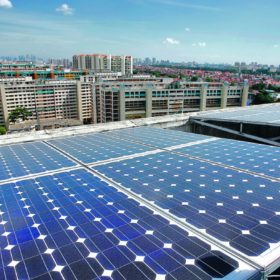
Karnataka leads Indian states in new rooftop PV attractiveness index
The Indian state of Karnataka has snagged the top spot on the Ministry of New and Renewable Energy’s State Rooftop Solar Attractiveness Index.
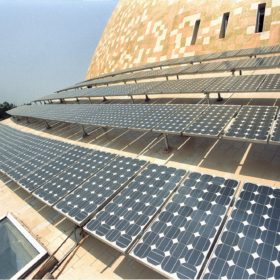
India added 1,836 MW of rooftop solar in last fiscal year
Maharashtra, Rajasthan, Gujarat, Karnataka and Tamil Nadu were the top five states by annual installation, accounting for 60% of the new capacity.
