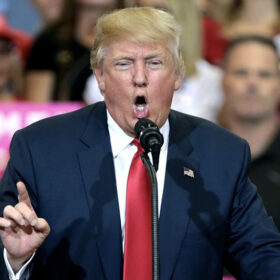
Is Trump just a bump in the road for US solar?
The second Donald Trump administration has put up roadblocks to clean energy investment but renewable energy analysts say superior technology and its economic benefits will ultimately prevail.
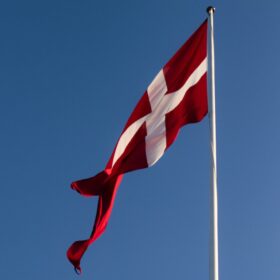
Denmark resumes subsidies for energy tech exports
The Danish authorities have reopened a subsidy pool to promote exports of Danish energy technologies, offering a total of DKK 9.3 million ($1.36 million). Applications for the fund, which targets public-private partnerships, will be accepted until Oct. 11.

Ireland launches €20 million fund for energy research
The authorities in Ireland have opened a €20 million ($21.5 million) fund for energy research and innovation. It will support projects contributing to the nation’s clean energy transition, such as heat decarbonization and energy storage.
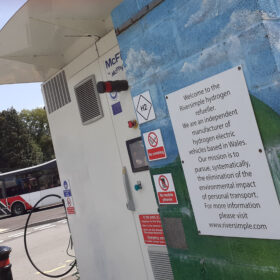
When nano- meets climate technology
The use of metal-organic frameworks (MOFs) to create nanoscale crystal structures to attract hydrogen molecules could drastically improve the energy efficiency of storing and transporting the energy carrier.
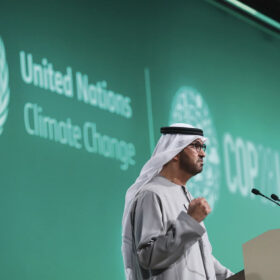
Weekend Read. COP: A solar flop?
Tripling clean energy generation capacity to 11 TW by 2030 was a leading pledge from the United Nations’ (UN) climate change conference in Dubai. With few details about infrastructure and energy storage and no clear PV targets, however, it is hard to judge the effectiveness of the 28th global Conference of the Parties (COP) meeting. Angela Skujins considers possible impacts for the solar industry.
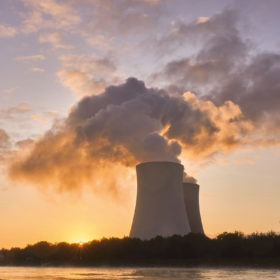
COP28 pledge to expand nuclear capacity is out of touch with reality
While the world noted the Dubai aim of tripling renewables generation capacity by 2030, the controversial summit also saw 25 nations commit to an unofficial pledge to triple nuclear capacity by 2050.
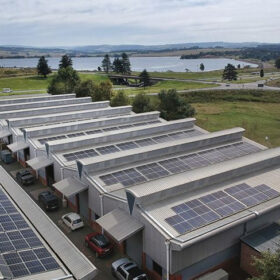
Weekend Read: Consolidating growth in Africa
Across Africa, rooftop solar is stepping in to fill the void as fears of non-payment and inflation-reduced donor funding dampen enthusiasm for big solar. Commercial and industrial (C&I) arrays are leading the charge, driving consolidation in markets overstocked with startup and mid-size installers.

How green is the UK government?
With speculation rife UK prime minister Rishi Sunak could call a general election next year, Robert Cathcart, a blogger for English installer Solar Fast, takes a look at just how green the current government is.
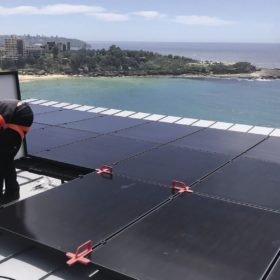
Making the business case for solar-plus-storage
Much has been said about the benefits installing solar and batteries can offer to businesses but, as companies face mounting input cost inflation, is the upfront investment too much to bear or have volatile electricity costs made the decision a no-brainer?
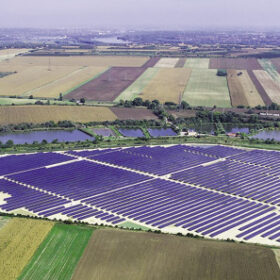
Hungarian solar is on the rise but much needs to be resolved
PV deployment is gathering pace in the EU member state but grid capacity shortfalls and unpredictable shifts in government policy need to be addressed if the nation is to harness its full solar – and European energy security – potential.
