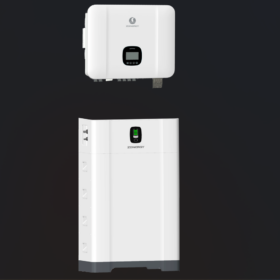
New residential battery inverter solution from China
Zonergy has developed a 2.5 kWh lithium iron phosphate (LFP) battery system featuring an inverter with an output ranging from 8 kW to 15 kW. It says four to 16 modules can be combined for between 10 kWh and 40 kWh of energy storage capacity.
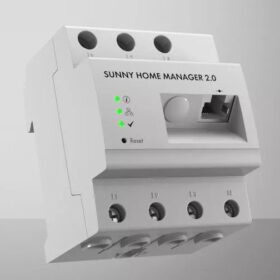
SMA, Samsung to integrate heat pumps with residential PV
Samsung and SMA are using a new cloud-to-cloud system that allows PV systems with SMA inverters to be integrated with Samsung heat pumps.
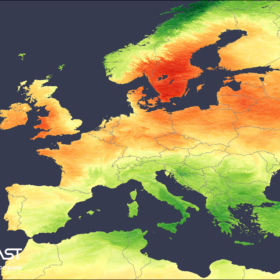
Northern Europe outshines the south during May
In a new weekly update for pv magazine, Solcast, a DNV company, presents the solar irradiance data it collected for Europe in May. Below-average cloud cover meant above normal irradiation for much of the UK, France, Germany, the Baltics and Scandinavia, with anomalies as high as 30% and 40% above climatological means. Solar assets across Northern Europe will have overperformed on expectations for May.
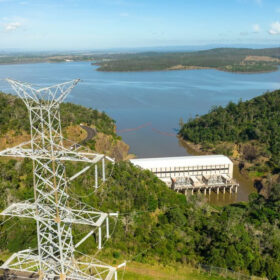
World’s largest pumped hydro storage project secures key contracts
The Queensland government has awarded two key contracts for what it says will be the largest pumped hydro energy project in the world, with the proposed 5 GW/120 GWh Pioneer-Burdekin pumped hydro energy storage system to form a cornerstone of the Australian state’s energy transition.
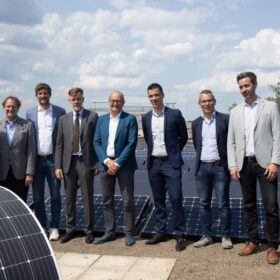
Luxembourg allocates 43.3 MW of PV in first self-consumption tender
Luxembourg has selected 75 solar projects in the nation’s first procurement exercise for self-consumption. It will launch a second tender in July.
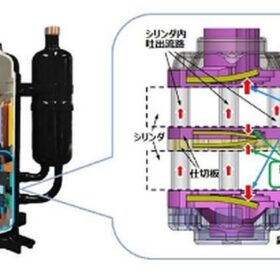
Toshiba Carrier wins innovation award for heat pump compressor technology
Toshiba Carrier has been recognized at the 2023 National Invention Awards of Japan for its innovative discharge port structure in multi-cylinder rotary piston compressors for heat pumps. The technology tackles the problem of overheating, resulting in improved heating capacity and efficiency.
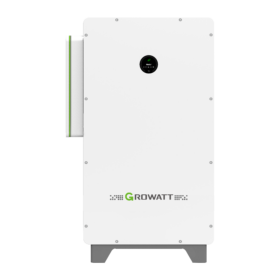
Growatt highlights C & I hybrid inverter at SNEC
At this year’s SNEC exhibition in Shanghai pv magazine caught up with Lisa Zhang, Vice President of Marketing at Growatt. At their SNEC booth, Growatt showcased its new 100 kW hybrid inverter WIT 50-100K-HU/AU, developed for commercial and industrial applications.
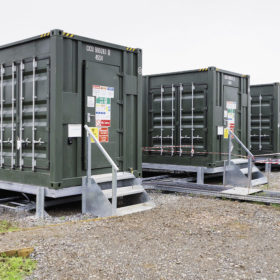
India set to host first giant battery
ONGC Tripura Power Co. (OTPC) and Assam Power Distribution Co. Ltd. (APDCL) have set up a joint venture to deploy a 250 MW/500 MWh battery in Assam, India.

US Inflation Reduction Act ‘real risk’ for Australia in green hydrogen race
Former Reserve Bank of Australia Deputy Governor Guy Debelle has warned that the US Inflation Reduction Act (IRA) poses a “material threat” to Australia’s push to become a green hydrogen superpower.

EU to avoid prolonging revenue cap on renewables
The European Commission says it is unnecessary and unadvisable to prolong the emergency measures for the energy market that were adopted at the end of 2022. This means that the €0.18 ($0.19)/kWh price cap on solar and other renewables will no longer apply in most member states from June 30.
