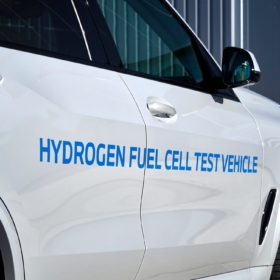
The Hydrogen Stream: UK’s launches second tender for low-carbon hydrogen, BMW tests first fuel cell electric vehicle
Furthermore, Germany-based large-bore diesel engines and turbomachinery company MAN Energy Solutions is acquiring the majority of shares in the Augsburg-based electrolyzer manufacturer H-TEC Systems, while the India H2 Alliance is expanding with the aim of building consensus for a common path towards hydrogen commercialization in India’s steel and cement sectors.
Costs loom as hurdle for green hydrogen, says Rystad Energy
Australia’s bid to establish itself as a major green hydrogen player has triggered a flood of state funding and new project announcements in recent months. But consultancy Rystad Energy sees potential obstacles for the nascent industry.

Demand, policies, investment key to green hydrogen development
Ruchi Gupta is a research fellow at the University of Geneva’s Institute for Environmental Sciences. She focuses on how flexibility options, such as sector coupling with hydrogen production, can support renewable energy integration and decarbonize a wide range of sectors.
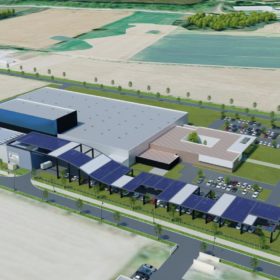
The Hydrogen Stream: An electrolyzer factory in France, a 100 MW electrolyzer in Portugal
Belgian mechanical engineering group John Cockerill wants to set up its electrolyzer gigafactory for the production of green hydrogen in northeastern France. Galp Energia plans to install a 100-megawatt electrolyzer to power its refinery in Sines, Portugal, with green hydrogen, by 2025.
Industrial green hydrogen could become a global commodity but local production is needed for transport uses
Long distance, point-to-point transport of green hydrogen for industrial use can harness the cheap solar electricity available in some parts of the world but distributing the energy-storage gas to individual refueling stations, for vehicle fuel cell use, will likely have to depend on production nearby.
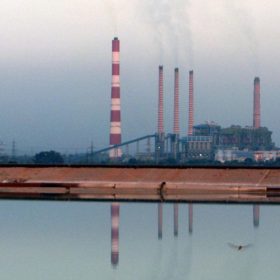
Indian utility seeks electrolyzer pilot projects
State-run power company NTPC wants to explore the feasibility of using hydrogen instead of diesel for back-up power and micro-grid application.
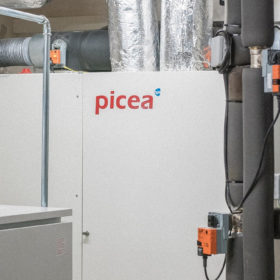
Hydrogen-based storage system for residential applications
The system is based on a power-to-gas hydrogen technology and is intended to enable one and two-family homes to have an independent power supply throughout the year.

The Hydrogen Stream: US government wants to reduce green hydrogen cost by 80% to $1 per kilogram in one decade
Furthermore, Swiss energy company Axpo and Swedish-Swiss electrical equipment giant ABB committed to combining their technologies and skills for several projects related to green hydrogen in Italy and Germany’s gas transmission system operators Gascade and Ontras announced a plan to set up a platform for the hydrogen industry in eastern Germany, with an initial grid to cover 475 kilometers of pipelines.
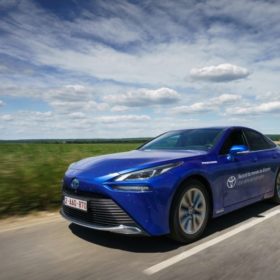
Madrid taxis to be powered by solar hydrogen
Spanish developer FRV has agreed to participate in a €100 million effort to generate hydrogen via a 10 MW electrolyzer, powered by a 20 MW solar plant.
The Hydrogen Stream: 2.7 GW of operational electrolyzer capacity expected for Europe by 2025
According to two new pieces of research, Europe is on track to reach 2.7 GW of operational hydrogen electrolyzer capacity by 2025 and most of this capacity is expected to be located in Germany. Furthermore, three European gas associations have assessed the competitiveness of the different transportation options for hydrogen and have found it depends on the distance over which hydrogen is transported, as well as on scale and end-use.
