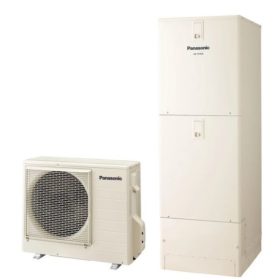
Panasonic launches solar heat pump solution for water heating
Panasonic has unveiled a new product in Japan with a PV-based charging function that uses a heat pump and hot water storage unit to save energy by maintaining bathwater temperatures at constant levels.

The EU plan to drastically ramp renewables to replace Russian gas
The European Commission yesterday announced its intent to remove demand for two-thirds of its Russian gas supply in less than nine months and hugely accelerating the rate of solar deployment is a central part of its radically raised clean energy ambition.
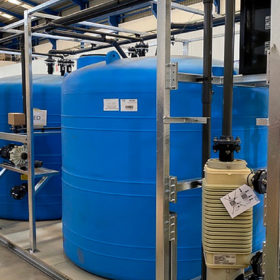
Hybridizing PV, redox flow batteries and geothermal heat pumps
A Spanish consortium is equipping one of Madrid’s largest metro and bus stations with a hybrid system that combines PV, geothermal pumps, and vanadium redox flow batteries to provide cooling and heating.
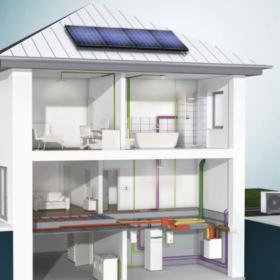
Short payback periods for PV-powered heat pumps in Spain
Spain’s National Confederation of Installers has released a technical paper about the advantages of coupling rooftop PV with heat pumps. It says that the payback time for a solar-powered heat pump can range between two and five years.
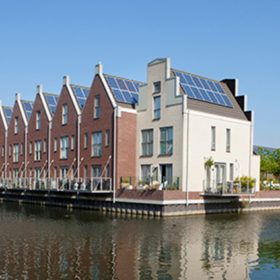
Around 90% of newly built homes erected last year in the Netherlands are gas-free
The Netherlands is at the forefront of promoting sustainable heating in Europe and the share of new buildings that are not connected to the country’s gas grid may soon approach 100%.
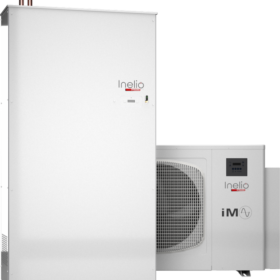
Residential heat storage system uses PV electricity for space heating, hot water
France-based FHE Group has developed a 2.5 kWh storage device that can store electricity as heat during the day and release this heat at night to power a heat pump for space heating and hot water. According to the manufacturer, it can retain over 95% of its initial performance after 20,000 cycles.

NREL’s online tool to assess viability of geothermal heat pumps
The research institute has upgraded its REopt web tool to include ground-source heat pump technologies. US homeowners will now be able to simulate the impact of converting conventional heating and cooling systems to geothermal heat pumps.

Viessmann and 50 Hertz integrate heat pumps to stabilize German grid
The partner companies say smart heat pumps can offer flexible capacity that network operators can use for safe operation and households could also benefit from a reduction in electricity prices.

PV-powered heat pump system for commercial swimming pool heating
Researchers in Jordan have designed a solar-assisted heat pump system for swimming pool heating at a hotel in the coastal city of Aqaba. They found that the system has a payback time of only 1.94 years and that total profits after ten years of operations may reach around $1.88 million.
Non-technical factors influencing market acceptance for solar heat pumps
The lack of proper business models, high upfront costs, and long payback periods are the key barriers to enabling the wider adoption of solar-powered heat pumps, according to recent research. Other factors reducing market acceptance are a lack of information on the technology and sociodemographic factors like public perception and peer effects.
