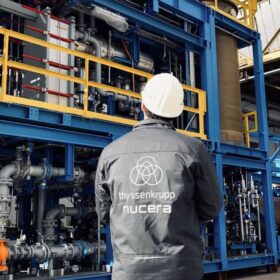
The Hydrogen Stream: Northern Europe can produce green hydrogen
Finnish researchers have said in a new report that northern European countries could produce cheap hydrogen domestically, while TotalEnergies, Schneider Electric and other companies signed new hydrogen project deals.
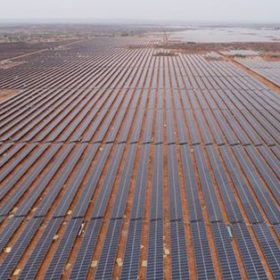
EY lists India as world’s most attractive solar market
India has retained its crown as the most promising market for solar investment, according to the latest edition of Ernst & Young’s Renewable Energy Country Attractiveness Index (RECAI).
US green hydrogen market set to surge to $1.4 trillion by 2050, says Deloitte
By 2050, the practice of using renewable energy to electrolyze water and create hydrogen fuel could become a global market of well over $1 trillion, according to a new report by Deloitte.

US Inflation Reduction Act ‘real risk’ for Australia in green hydrogen race
Former Reserve Bank of Australia Deputy Governor Guy Debelle has warned that the US Inflation Reduction Act (IRA) poses a “material threat” to Australia’s push to become a green hydrogen superpower.
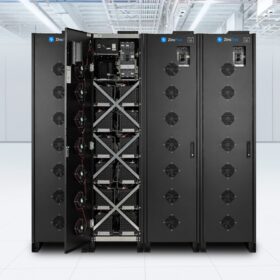
Nickel-zinc battery systems with hydrogen, EV charging
ZincFive is supplying battery systems for Advanced Power & Energy’s hydrogen-fueling microgrid and pilot DC fast-charging station in Greenville, Pennsylvania
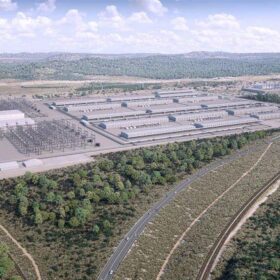
Australia confirms funding for 3 GW green hydrogen project
Australia’s push to become a green hydrogen superpower has gained new momentum with the federal and Queensland governments teaming up with consortium partners to deliver AUD 117 million ($76 million) for a 3 GW renewable hydrogen project.
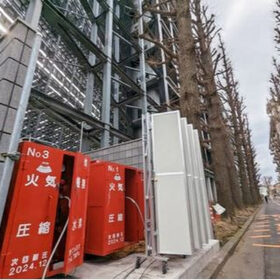
Japanese group unveils fuel cell system based on green hydrogen, waste plastic
A Japanese consortium is now testing a 100 kW fuel cell system in Tokyo. The system uses green hydrogen and waste plastic hydrogen to provide heat to an industrial building. The demonstration aims to establish an urban hydrogen energy utilization model that combines global and local hydrogen sources.

BP moves forward on 10 GW wind-solar complex project with land purchase
UK oil and gas giant BP is a step closer to establishing a large-scale integrated renewables and green hydrogen project in Western Australia after outlaying AUD 23 million ($15.3 million) for an almost 23,000-hectare property.
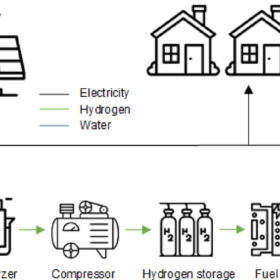
Novel approach to PV-battery-electrolyzer-fuel cell systems
TU Delft scientists have proposed a new methodology for off-grid PV-battery-electrolyzer-fuel cell systems in remote areas.

New model to assess levelized cost of hydrogen in PV-powered electrolysis
Scientists in Singapore have developed a methodology to calculate the levelized cost of hydrogen in green hydrogen facilities powered by photovoltaics, emphasizing the need for a levelized cost of storage (LCOH) below $10/kg to enable green hydrogen to compete with gray, blue, and orange hydrogen in the current technology landscape.
