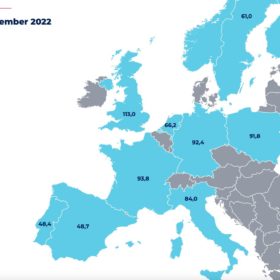
European PPA market prices fell 15% in December
Swiss consultancy Pexapark says falling energy prices, lower heating needs, and healthy gas reserves have had a calming effect on the European power purchase agreement (PPA) market. It foresees an increase in transactions over the short term.
Weekend read: A game of risk
The rising popularity of “baseload” power purchase agreements (PPAs) has posed questions to solar electricity suppliers in the German market. How can projects that do not generate at night, and with wide seasonal output variation, effectively supply constant power to consumers? More importantly, who shoulders the price risk?
Ripple effects of EU revenue cap on renewable energy
The European Union’s much-needed emergency measures to tackle the ongoing energy crisis may have unintended consequences for the region’s renewable energy ambitions, warn analysts, but the impact on power purchase agreements will likely vary, depending on the contracts.
A simmering cauldron of renewables ‘revenue cannibalization’
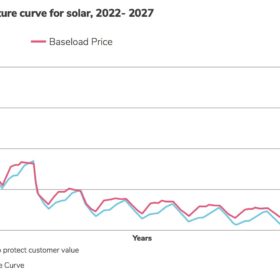
There is enormous demand for renewables to enter the grid, and for power purchase agreements to make use of them. However, as more renewables feed into the grid at intermittent periods, the risk of “revenue cannibalization” increases. Swiss consultancy Pexapark’s latest report looks at the “cannibalization effect” and how the solar PPA market can adapt.
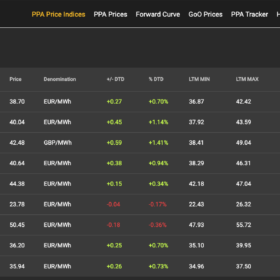
An open access, online European PPA tracker
The PexaQuote software is said to allow both parties to a power purchase agreement to identify the best structure and price for a deal within seconds. The platform provides price indices, a deal tracker and a quote service.
