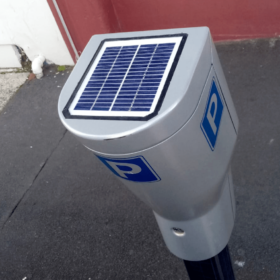
Solar for parking machines
New Zealand researchers have proposed a way to assess the technical and economic feasibility of PV-powered parking machines. Solar might be an ideal solution, but the siting of the machines is critical and should be planned in advance, in line with available solar radiation and potential shading.
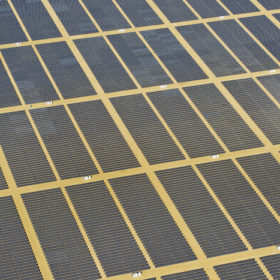
SunPower survived shutdowns to post strong Q2
Supply chain and manufacturing disruptions will lead to shipping decreases in the third quarter, but SunPower’s pre-pandemic measures ensured strong performance, solid demand, and higher installations.
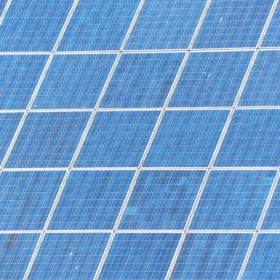
Mexican utility confirms first invesment in solar
The Comisión Federal de Electricidad will invest around $342 million into two PV plants with a total generation capacity of 350 MW at its geothermal facility in Baja California. President Obrador, meanwhile, has described the previous regime’s Energy Reform program as a ‘pillage policy.’
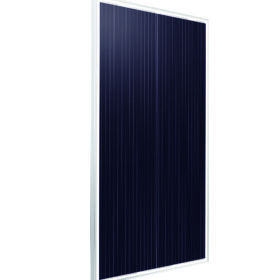
Recom unveils tri-cut solar panel series
The Jaguar series, with 20.81% efficiency and 445 W of maximum output, may be a solution for installations with space constraints. The panels are based on a special cell design, which Recom describes as an evolution of the half-cut cell concept.

Panasonic abandons Chinese solar manufacturing tie-up
The Japanese electronics giant said a partnership with GS-Solar will not materialize and it will continue producing its modules in Japan and Malaysia while seeking other cooperation opportunities.

The PV world ten years ago – summer series part I
pv magazine editor Pilar Sánchez Molina recollects everyday news from the PV sector of ten years ago as part of a new series. The insights offered will not only bring back memories for the pioneers of that exciting, challenging period but may also offer an idea of where we could be in 2030.

Ireland may allocate 796 MW of solar in first renewables auction
The government has announced the provisional results of the nation’s first renewable energy procurement exercise and says the 1 TWh auction will end up allocating more than 2.2 TWh of generation capacity for an average final electric price of €0.07408/kWh.
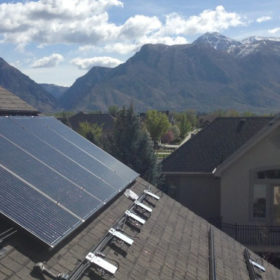
Enphase Q2 micro-inverter revenue falls despite demand ‘rebound’
Coming off a strong, profitable first quarter, Enphase sees the second-quarter results of Covid-19 in compressed revenue and a swing to a loss. Gross margins remain strong.
Chinese PV Industry Brief: PV glass supply deals, bonds to finance solar incentives
Two solar glass makers kicked off the week with new deals and solid earnings reports while the Chinese government revealed it may issue bonds to fund clean energy incentives.
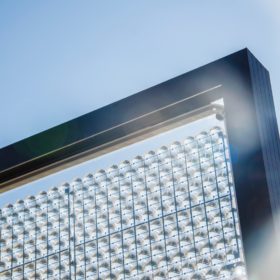
CPV panels for agrivoltaics
Swiss startup Insolight has raised €4.6 million to bring its concentrating PV module technology to commercial production. The panels have a claimed efficiency of 30% and power output of 160 W. Originally conceived for rootop solar, the product is now being recommended as an interesting option for agrivoltaic projects.
