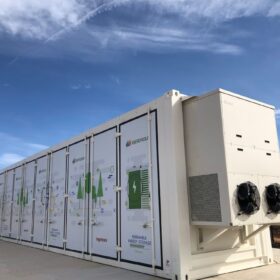
Portugal awards grants to 500 MW of energy storage projects
A total of 43 projects were selected from 79 applications in Portugal’s 2025 energy storage procurement. This included six projects from Spain’s Iberdrola, which secured nearly €20 million ($20.6 million) in public funding.

Renewables supply 71% of Portugal’s electricity in 2024, led by solar
Renewables supplied 71% of Portugal’s electricity in 2024, including 10% from solar, as production hit a record 36.7 TWh, according to grid operator Redes Energéticas Nacionais (REN).
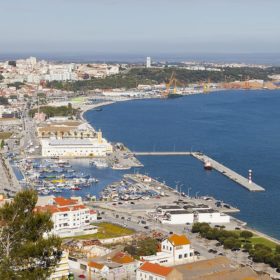
European Commission approves €1 billion in Portuguese state aid to support energy transition
The aid will be available to companies producing relevant equipment, such as solar panels, wind turbines, heat-pumps, electrolysers, and equipment for carbon capture usage and storage.

Portugal allocates funding for 500 MW of energy storage
The Portuguese Ministry of Energy has allocated €99.75 million ($107.6 million) for grid flexibility and energy storage projects which should be installed by the end of 2025.
Portugal launches first auction for green biomethane and hydrogen
The government will auction up to 127 GWh/year of hydrogen with a maximum price of €127/MWh, and up to 150 GWh/year of biomethane with a maximum price of €62/MWh.

Key takeaways from Lisbon Energy Summit 2024
The second edition of Portugal’s most important energy event focused on the central role of green hydrogen in the country’s future energy landscape. The trade show also highlighted the need to accelerate the growth of the solar sector.
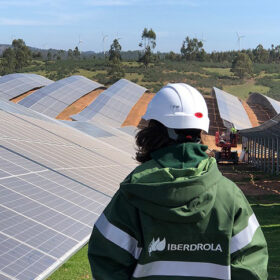
Portugal’s largest PV project falls under scrutiny
The Portuguese authorities are now reviewing the environmental authorization granted to a 1.2 GW PV project under development by Prosolia and Iberdrola. The massive Fernando Pessoa solar facility will be built in Santiago do Cacém, about 200 kilometers south of Lisbon.
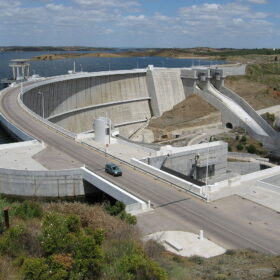
Portugal launches tender for 50 MW of floating solar
The Portuguese government is seeking proposals for a €45 million ($48.4 million) floating PV project.
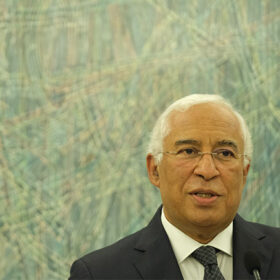
Transcription mistake led to Portugal prime minister’s resignation
Portugal’s Prosecutor’s General Office (PGO) reportedly confused the then-Prime Minister’s name, Antonio Costa, with that of the Minister of Economy, António Costa Silva, in a corruption investigation. The transcription incorrectly implicated the Prime Minister’s involvement.
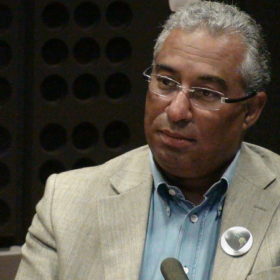
Portugal’s prime minister resigns in wake of corruption probe
Prime Minister António Costa of Portugal has quit after eight years in office, he announced yesterday. The news came two hours after the public learned the police searched his and other government ministers’ official residences and offices as part of a criminal investigation involving alleged hydrogen and lithium corruption.
