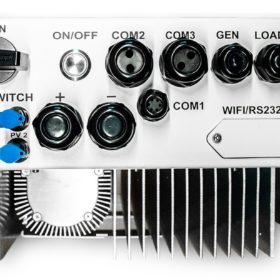
New hybrid inverters for rooftop PV from Germany
The BW-HY3600 and BW-HY4600 inverters can be integrated with existing on-grid or off-grid PV systems and a battery storage system of 48V. Both devices, according to German manufacturer Bosswerk, have AC and DC coupling and are particularly suitable for residential and commercial solar arrays.
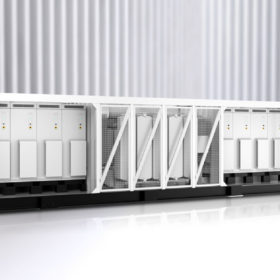
Sungrow presents new central inverter
Called the 1+X modular inverter, the new product can be deployed, by combining eight units, to reach a power of 8.8MW. It also features a DC/ESS interface for the connection of storage energy systems.

New hybrid inverter for rooftop PV arrays from SMA
SMA’s new hybrid inverter reaches a maximum efficiency of 98.2% and a maximum European efficiency of 97.5%. It is compatible with DC-coupled high-voltage lithium-ion batteries from leading suppliers, according to the manufacturer.
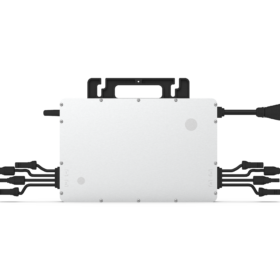
Micro-inverter for high-power solar panels from Hoymiles
The device has a 4-in-1 design, which means it can be connected with four solar panels with a power output of up to 625 W each, through four independent connections. The output of each panel is tracked and converted individually. According to the Chinese manufacturer, the micro-inverter can ensure savings of up to 50% due to the lower number of devices and cables needed.
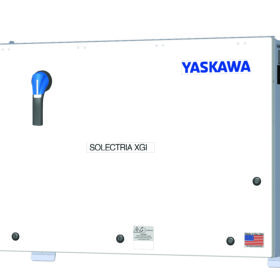
Yaskawa Solectria Solar unveils string inverter series for utility scale projects
The US manufacturer said the device has an efficiency of 99.0% and a California Energy Commission (CEC) efficiency of 98.5%. It has a size of 750x1125x390 mm and weighs in at 131.5 kg.

Growatt responds to Sweden’s investigation on EMC requirements, says all products are certified in compliance with EU regulations
The Chinese PV inverter maker has said that all its products are tested and certified in compliance with EU regulations by global leading testing and certification companies. As for the 8000TL3-S inverter series, which has now been banned from the Swedish market, the company said the device has not been in production since 2020.
SolarEdge, Growatt found in breach of Swedish electromagnetic rules, some products banned from sale
The Swedish Electrical Safety Agency has ruled that some SolarEdge optimizers and one string inverter from Growatt do not meet its electromagnetic compatibility (EMC) requirements – halting their sale in the country. SolarEdge expressed surprise at the banning and claims that the complaints filed with the Electrical Safety Agency came from a handful of amateur radio operators.
SolarEdge launches new power optimizers for residential PV
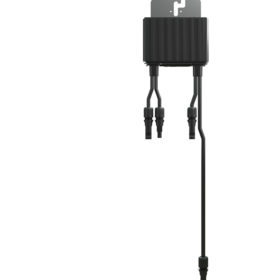
The optimizers are available in two versions that can be used with modules of up to 440 W and 500W. The devices have an efficiency of 99.5% and come with a 25-year guarantee.

Fimer, Enie to set up inverter factory in Algeria
The Italian inverter maker and the Algerian electronics manufacturer are joining forces to produce solar inverters in Algeria. The location of the planned manufacturing facility was not disclosed.
Ever heard of synchroinverters? Grid-stabilizing devices connecting renewables to distributed energy resources
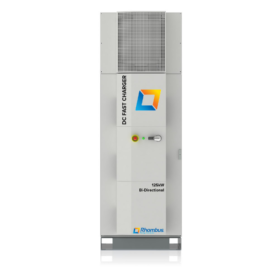
A U.S.-Israeli consortium is developing synchroinverters – inverters that mimic a synchronous generator and are able to actively respond to the grid’s frequency changes while stabilizing the voltage. The new devices are expected to do this simultaneously and provide grid stability services in less than 16.67 milliseconds.
