
US module shipments spiked in quantity, plunged in price amid pandemic
Manufacturers shipped about 2.05 GW of PV modules in March, before plummeting to 1.24 GW in April. But while shipments slowed, the cost per watt peak reached a record low.

French railway operator buys 40 MW of power through solar PPA
The 15 to 20-year power purchase agreement is expected to provide around 2% of the electricity consumption of all SNCF passenger trains.
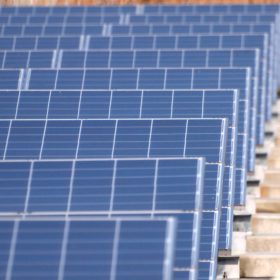
‘Ultra-mega’ 2 GW renewables project approved in India
The state cabinet has approved a 74:26 joint venture proposal by publicly-owned hydropower company THDC India and the Uttar Pradesh New and Renewable Energy Development Agency for the ambitious project.

Tunisia’s 70 MW PV tender concludes with lowest bid of $0.044/kWh
Launched in July 2019, the procurement exercise has seen final bids ranging from TND millimes 125.3922 ($0.0444)/kWh to TND millimes 129.9736/kWh for projects ranging from 1 MW to 10 MW. The tender lot for projects of 1 MW, final bids are between TND millimes 189.500 ($0.0671)/kWh to TND millimes 213.500/kWh
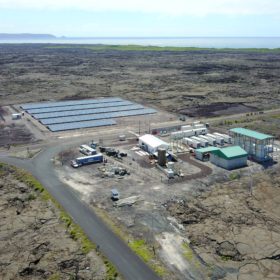
Tender launched for 14.8 MW/40.9 MWh of solar+storage in Ecuador
The Conolophus project, to be built on Santa Cruz Island in Galapagos National Park, will reduce regional diesel consumption.
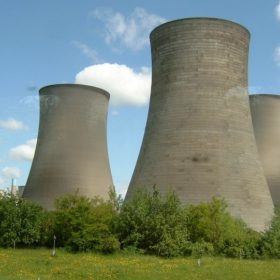
Deploying rotating PV arrays on cooling towers
Swedish researchers have proposed the installation of rotating and revolving PV arrays on the cooling towers of thermal power plants. While such projects are ideal in nations with limited land, installation costs are also cheaper than for ground-mounted or rooftop PV plants due to proximity to the grid, the scientists claim.
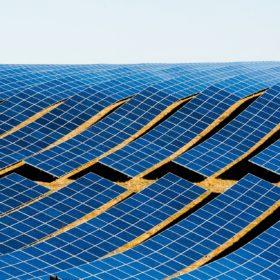
Data shows solar asset underperformance and bias towards optimistic pricing
Solar assets are underperforming far more frequently than official energy estimates would suggest, according to the industry experts who contributed to KwH Analytics’ 2020 solar risk assessment report.

China entering post-FIT era with solid prospects
The Chinese government is planning to phase out FITs and subsidies for all kinds of PV installation by the end of this year, according to the China Photovoltaic Industry Association. The trade body, however, expects strong recovery for domestic solar demand over the next five years, beginning in the second half of 2020.
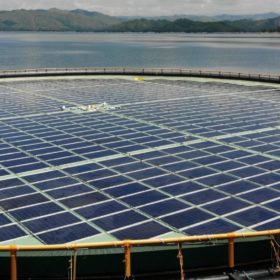
Albania’s first floating PV project now under construction
Norway’s Statkraft is building a 2 MW floating PV array, first announced a year and a half ago, at its 72 MW hydropower plant in Albania’s Elbasan region. Norwegian floating PV specialist Ocean Sun has agreed to supply tech for the €2 million plant.
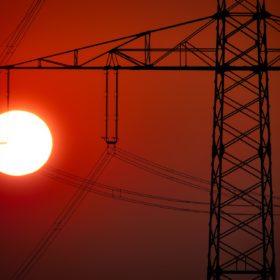
Global solar capacity may reach 1,448 GW in 2024
SolarPower Europe has predicted the volume of new PV capacity added this year will be 4% less than last year’s figure because of the Covid-19 crisis. At the end of 2019, the world had topped 630 GW of solar. For 2020, around 112 GW of new PV capacity is expected, and in 2021, newly installed capacity could be 149.9 GW if governments support renewables in their coronavirus economic recovery plans.
