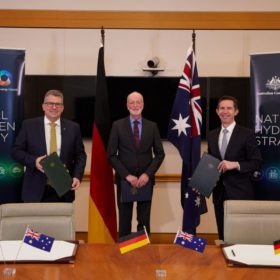
Australia and Germany shake hands on green hydrogen future
The two nations have brought their national hydrogen strategies together after signing a new agreement for a joint feasibility study into green hydrogen production and trade. The agreement was welcomed around the country as auspicious of Australia’s potential as a global green hydrogen superpower.

Bulgaria wants another 2.6 GW of renewables by 2030 – and coal
The government’s energy strategy targets new clean energy capacity this decade but all existing coal power plants will also remain active, gas pipelines could be upgraded and new nuclear facilities deployed.

Indian rooftop PV capacity nears 6 GW
Bridge to India figures show dominance of Chinese inverters, which supplied almost 80% of installs from July last year to the end of June.

Italy deployed 362 MW of solar in H1
Developers installed 259 MW of new solar in Italy in the first six months of the year, according to ANIE Rinnovabili. But that doesn’t include a 103 MW plant that was connected to the grid in late June in the southern region of Apulia.
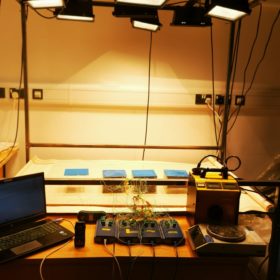
Cooling PV panels with seawater
An Anglo-Egyptian research group has developed a passive cooling method based on saturated activated alumina, with saline water as a cooling agent.
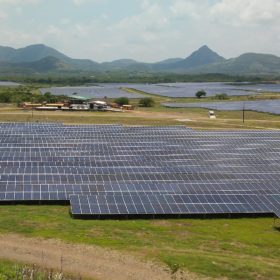
Gujarat opens 210 MW solar tender
Developers now have until September 23 to lodge bids for an earlier, 110 MW procurement round and can also toss their hat into the ring for a new tender in the district of Jamnagar which closes on October 5.
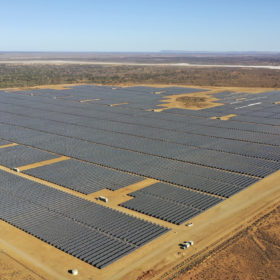
EU Green Recovery plan could support 2.3 GW of Spanish solar project capacity
Three big projects are candidates for support from the Covid recovery plan laid out by the bloc.

Google to create easier renewable power purchase pathways
The tech giant has eliminated its entire carbon legacy and is moving toward running entirely on renewables, 24/7. More importantly, it’s looking to create pathways for other renewable purchasers to follow in its wake.
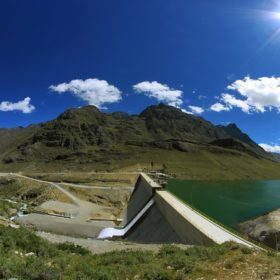
NREL scientists estimate global potential of hydro-linked floating PV at up to 7.5 TW
The U.S. based researchers said linking solar with hydro in a full hybrid system configuration may result – at best – in the deployment of 7,593 GW for an estimated annual power generation of 10,616 TWh and a 20% reservoir coverage. And combining solar with hydro in this way brings further benefits, including improved system operation at different time scales, more opportunities for storage thanks to pumped hydro, increased utilization rates of transmission lines, reduced PV curtailment, and lower interconnection costs and water evaporation.
EU PVSEC 2020: Five takeaways
Spread across this week, the 37th EU PVSEC conference brought together companies and research institutes from Europe and further afield. This year’s presentations point to an industry standing at a crossroads. New challenges lie ahead, but there is plenty of optimism surrounding continuing growth and a more central role for PV in energy systems over the next decade. As the conference drew to a close on Friday, pv magazine offers five key takeaways.
