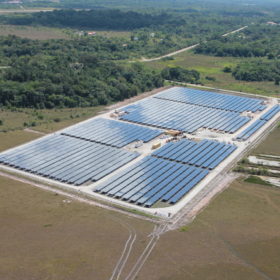
KKR may acquire Albioma
The US private equity giant is interested in the French renewable energy producer as part of its expansion strategy in the renewable energy sector.
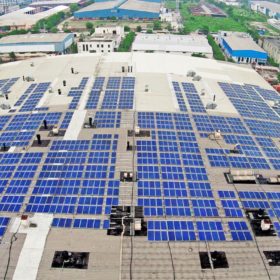
India installed 1.7GW of rooftop PV in 2021
India’s cumulative rooftop solar installations surpassed 7GW in December. The state of Gujarat leads the country with the most installed rooftop solar capacity to date.
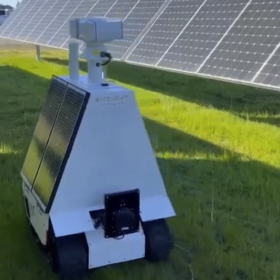
Fully autonomous robot for solar O&M
OnSight Technology has developed a tele-operated vehicle to clean solar arrays. It is equipped with a radiometric thermal imaging camera and an optical zoom camera backed by artificial intelligence. It has a range of 12 hours and a speed of 1.6 km per hour.

Japan allocates 268.7MW in eleventh solar auction, lowest bid comes in at $0.078/kWh
The procurement exercise was open to PV projects exceeding 250kW in size and had a ceiling price of ¥10.25/kWh ($0.089).
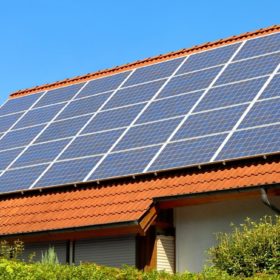
Mini-PPAs for residential PV in Germany
German renewable energy producer Trianel plans to buy solar power from residential PV systems via mini power purchase agreements, starting from the second quarter. It will then sell the electricity to the energy futures market.

The Netherlands deployed 3.3GW of PV last year
The country’s cumulative installed PV power reached 14.3GW at the end of 2021.

Italy installed 937MW of solar, 431MWh of storage in 2021
The country’s cumulative PV capacity reached 22.56GW at the end of December.
Solar parks could help to increase rainfall in arid regions
New modeling suggests that the reduction in albedo caused by large-scale solar plants could double rainfall in the Red Sea coastal plain of Saudi Arabia.
Subsidies, interest rates, carbon prices could disrupt renewables expansion
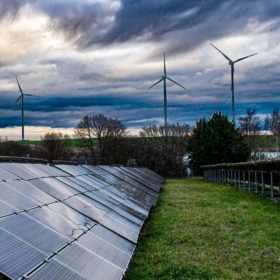
German and Swiss researchers have published a new study that questions the idea of a continual decrease in renewable energy costs, given the reality of rising interest rates and higher carbon prices. They outlined a scenario in which interest rates could rise by up to 5% and public incentives for renewables would be gradually phased out. This could result in a loss of 535GW of new renewables capacity, compared to a scenario in which interest rates remain at current levels.
PV to account for about half of planned US utility-scale capacity additions
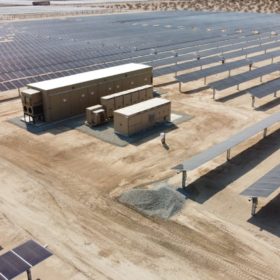
The US Energy Information Administration says that over the next two years, 60% of new capacity additions in the United States will be solar or battery energy storage.
