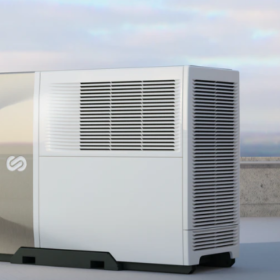
Hydrogen power generator for isolated areas, construction sites, events
Developed by French start-up EODev, the 100 kVa system is equipped with fuel cells manufactured by Toyota. The generator has a power of 110 kVA and its lifetime is guaranteed for 15,000 hours.
New flow battery from the United States
Developed by Honeywell, the flow battery is currently being tested by U.S. utility Duke Energy. The battery can reach a storage capacity of 12 MWh and be used through a modular approach in large scale renewable energy projects.

Colombia’s renewables auction assigns 796 MW of solar at average price of $0.041/kWh
Among the selected developers were EDF, Canadian Solar, Solarpack, Enel and Celsia. The final average price for the PV technology was significantly higher than that of the previous procurement exercise.
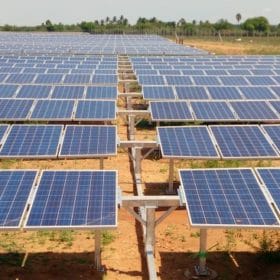
Taxes set to push up solar energy tariffs in India
The recent increase in the goods and services tax applied to solar cells and modules, from 5% to 12%, coupled with a planned 40% customs duty on panel imports, is set to increase project costs for developers.
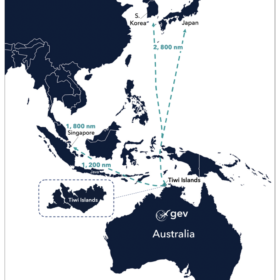
Australian hydrogen ship maker to develop 2.8 GW green facility
Compressed hydrogen ship maker Global Energy Ventures will develop a 2.8 GW green hydrogen export project on the Tiwi Islands, off the coast of the Northern Territory. It says the project will demonstrate the simplicity and efficiency of compressed hydrogen for Asia-Pacific supply chains, and will of course use a fleet of its own hydrogen-powered and hydrogen carrying 430-tonne ships.
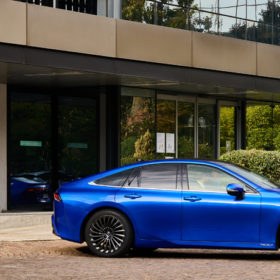
The Hydrogen Stream: Saudi Arabia bets on blue hydrogen, Denmark wants to improve green alkaline electrolysis
Elsewhere, Snam and Toyota are pushing for more hydrogen-based mobility in Italy, and Woodside Petroleum wants to establish an export-oriented hydrogen and ammonia production facility in Australia.
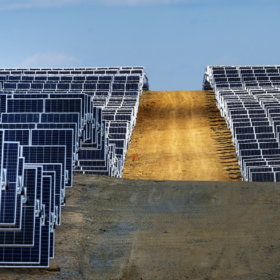
Colombia’s largest PV plant comes online
The 61 MW solar facility is owned by Colombian oil company Ecopetrol.
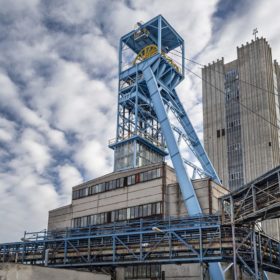
Converting coal mines into gravity-based renewable energy storage facilities
U.K.-based Gravitricity is planning to deploy its gravity-based energy storage solution at a decommissioned coal mine in Czechia. The project is part of a plan to commence a full-scale, 4-8 MW prototype scheme in disused mines next year.
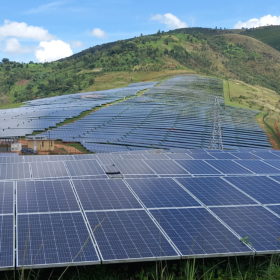
Burundi’s first solar park comes online
Under development since 2015, the 7.5 MW solar plant was built thanks to the efforts of multiple international entities including the U.S. International Development Finance Corporation (DFC) and the U.K. government-funded Renewable Energy Performance Platform (REPP).
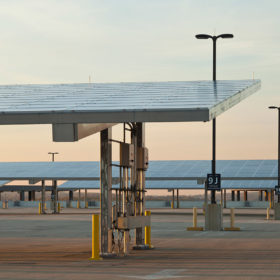
Highway-side solar could produce 36 TWh annually
A collaboration between universities, nonprofits, and a geospatial mapper led to development of a highway solar evaluation tool.
