
Shell completes Powershop takeover despite widespread outrage
Shell has completed its acquisition of Powershop Australia. The takeover sparked a heated outcry when it was first announced in November.
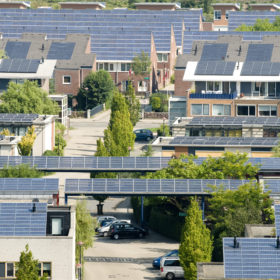
Italian region devotes €22 million to ‘energy communities’
Italy’s Lombardy region will use €22 million to build up to 6,000 “energy communities,” for a total installed capacity of up to 1.3GW.
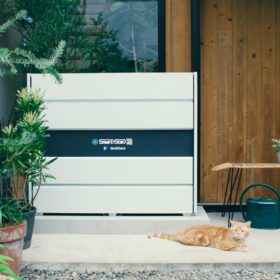
Itochu starts leasing new residential battery in Japan
Itochu’s new 13.4kWh storage system is equipped with AI-based software for optimal battery control. It can be used for grid-connected and offgrid projects and has a charging feature for electric vehicles.
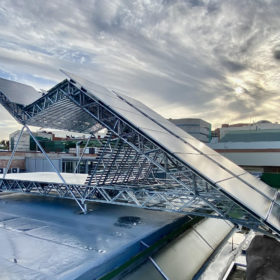
Reversible photovoltaic shade under the Madrid sky
The 8 kW photovoltaic shade was deployed on the outdoor rest area of a commercial building located in the northern part of Madrid. It was built with conventional solar modules provided by JA Solar and a structure made with light galvanized steel profiles for plasterboard partitions.

Ford, Sunrun to backup US solar homes with the electric F-150
With Ford Intelligent Backup Power and the Home Integration System, F-150 Lightning will automatically kick in to power the home if the grid goes down, while also giving customers the freedom to charge their truck or power their home using their residential solar installation.
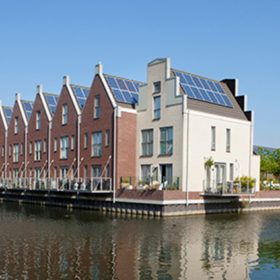
Around 90% of newly built homes erected last year in the Netherlands are gas-free
The Netherlands is at the forefront of promoting sustainable heating in Europe and the share of new buildings that are not connected to the country’s gas grid may soon approach 100%.
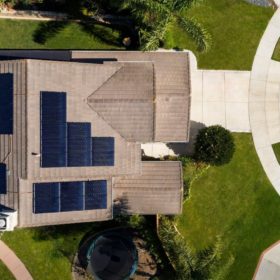
SolarAPP+ permitting software reduces project times in pilot run
The US National Renewable Energy Laboratory has released a free, web-based platform for automatic residential solar permit approvals.
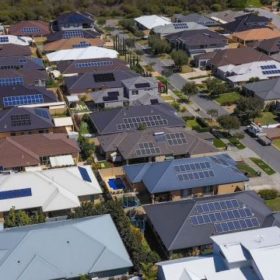
Australian start-up targets rooftop solar increase with new tech to manage grid stability in low voltage areas
Queensland company eleXsys Energy has secured more than AUD450,000 to help finance a trial of next-generation technology designed to manage grid stability in low voltage areas, potentially allowing for an increase in the amount of distributed energy resources, including rooftop solar, that can be connected to the grid.

Lithuania devotes €40 million for solar rebates in 2022
The Lithuanian government has decided to increase the 2022 budget for the solar rebates by €35 million after the initial phases of the program showed strong success among homeowners.
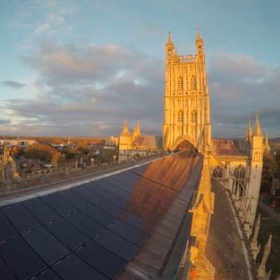
Solar for churches
Churches use energy mostly during the day, which makes them ideal buildings to deploy solar panels. Scientists in the United Kingdom have assessed the financial viability of a rooftop PV project for Bath Abbey and found that it could become profitable after 13 years.
